Cabin Air Guide
How to Keep Your Car Smelling Fresh Every Day
Simple daily habits, weekly cleaning routines, and tools that prevent odors from building up in your car so your cabin stays fresh between deep cleans.
Keeping a car smelling fresh is much easier to maintain than to fix after the fact. Once odors settle into fabric, carpet, and the ventilation system, removing them takes real effort. But a handful of consistent daily and weekly habits can prevent most odor problems from building up in the first place, which means less deep cleaning and a more pleasant cabin every time you get in.
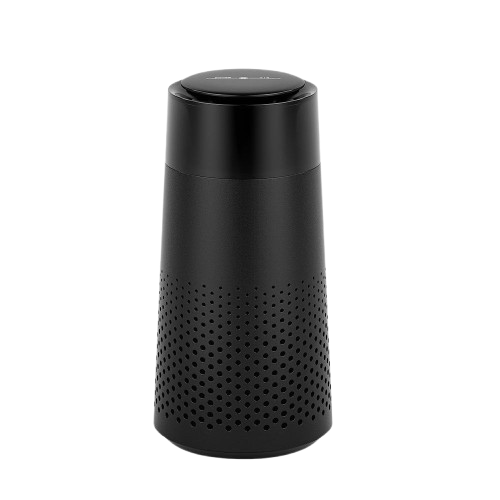
This guide covers practical daily habits, a simple weekly routine, the small tools worth keeping in your car, and how a compact, USB-powered purifier like the PureCabin™ FreshDrive can support ongoing freshness as part of that routine.
Why prevention beats cleanup
Odors in a car rarely appear overnight. They usually build up gradually — a fast-food bag left overnight, a damp gym bag tossed in the trunk, dust accumulating on the dashboard, or moisture from wet shoes on a rainy day. Individually, these are minor. Repeated over weeks and months without any cleaning routine, they compound into the kind of persistent, hard-to-pin-down smell that makes a car feel unpleasant even after a quick wipe-down.
The good news is that small, consistent habits require far less time overall than periodic deep cleans, and they prevent odors from ever settling deeply enough to become a real project.
Daily habits that make the biggest difference
1. Remove trash every time you park
Cups, wrappers, and food packaging are some of the fastest sources of odor in a car, especially in warm weather. Make it a habit to grab any trash before you leave the vehicle rather than letting it accumulate over several trips.
2. Don't leave damp items inside
Wet umbrellas, damp gym clothes, and rain-soaked shoes create moisture that can lead to musty smells, especially in carpeted footwells. If something is wet, either dry it before placing it in the car or plan to remove it promptly.
3. Crack a window when parked in the sun (when safe)
A closed car sitting in direct sun can reach high interior temperatures that intensify existing odors and accelerate off-gassing from plastics and fabrics. Where safe and appropriate, cracking a window slightly can help reduce heat buildup and staleness.
4. Wipe high-touch surfaces regularly
Steering wheels, door handles, and dashboards collect oils, dust, and residue from regular use. A quick wipe every few days keeps these surfaces from contributing to a stale cabin smell.
A simple weekly routine
- Empty all trash, cup holders, and door pockets.
- Vacuum seats, carpets, and floor mats.
- Wipe down the dashboard, console, and door panels.
- Check under seats for forgotten food wrappers or spills.
- Shake out floor mats outside the vehicle.
- Run your cabin purifier during your next few drives.
This routine takes roughly fifteen to twenty minutes and prevents most of the buildup that eventually requires a full detailing session. Doing it consistently is far more effective than a single thorough clean every few months.
Monthly and seasonal maintenance
Check your cabin air filter
A dirty cabin filter can reintroduce dust and stale smells every time the fan runs. Check your owner's manual for its location and replacement schedule, typically every 12,000–15,000 miles, and sooner if you drive frequently on dusty roads.
Deep clean upholstery seasonally
Even with regular vacuuming, fabric seats and carpets benefit from a deeper shampoo or steam clean every few months, especially before seasons that bring more moisture (like winter) or more dust (like summer road trips).
Inspect for hidden moisture
Occasionally check under floor mats and in the trunk for any signs of trapped moisture, which can lead to mold or mildew smells if left unaddressed. If you find persistent dampness with no obvious cause, it may be worth having a mechanic check for a water leak.
Smart habits for specific situations
If you regularly eat in the car
Keep a small trash bag or container in the vehicle so wrappers and containers do not sit loose. Wipe up spills immediately rather than letting them dry into upholstery or carpet.
If you have pets
Use a seat cover or blanket for pet rides, and vacuum pet hair and dander frequently. A seat cover you can remove and wash regularly makes a significant difference in reducing pet odor buildup.
If you drive for rideshare or carry frequent passengers
Check and tidy the cabin between rides when possible, and consider running a purifier continuously during shifts to help maintain a consistently fresher cabin for each new passenger. See our USB car air purifier buying guide for more on choosing the right unit for frequent use.
If you smoke in the vehicle
Prevention habits help, but smoke odor is particularly persistent. If smoke smell has already built up, see our dedicated guide on removing smoke smell from your car for a full cleaning approach.
Habits by vehicle type
Sedans and compact cars
Smaller cabins mean odors concentrate faster in a confined space, so consistent trash removal and light daily ventilation tend to matter more than in larger vehicles. A compact purifier is especially well suited here since it does not need to cover much volume to be effective for the cabin size.
SUVs and trucks with larger cargo areas
Larger vehicles often accumulate odor sources in the cargo area or truck bed cover — sports equipment, work gear, or grocery spills that go unnoticed longer simply because they are out of the driver's immediate sightline. A monthly cargo-area check, separate from your weekly cabin routine, helps catch these before they become a persistent smell.
Rideshare and delivery vehicles
High passenger or package turnover means more opportunities for spills, forgotten items, and general wear on interior surfaces. Drivers in this category often benefit from a quick between-trip visual check in addition to the weekly routine, since issues here compound faster with more daily use.
Seasonal considerations for cabin freshness
Summer
Heat accelerates off-gassing from plastics and can intensify existing odors, while more frequent window-down driving introduces more outside dust and pollen. Parking in shade when possible and keeping a light hand with window ventilation helps offset both issues.
Winter
Closed windows and frequent heater use mean less natural air exchange, so cabin odors can build up more noticeably. Wet boots, snow-melt moisture on floor mats, and reduced ventilation make winter a season where the weekly cleaning routine matters more, not less. See our related guide on how cabin filters and purifiers work together for more on managing enclosed, low-ventilation conditions.
Rainy seasons
Wet umbrellas, damp clothing, and tracked-in moisture are the main culprits. Keep a small towel in the car during rainy stretches to dry off wet items or wipe down floor mats before they have a chance to sit damp for an extended period.
Habit-building tips that actually stick
- Pair the habit with an existing routine. Grab trash on the way out of the car every time you turn off the engine, rather than treating it as a separate task to remember.
- Keep supplies visible and accessible. A trash bag clipped to the seatback or a microfiber cloth in the door pocket removes friction from the habit.
- Set a recurring weekly reminder. A simple phone reminder for your weekly vacuum-and-wipe routine helps it stay consistent rather than slipping during busy weeks.
- Do a two-minute end-of-week check. Before the weekend or a longer trip, do a fast visual scan for anything forgotten under seats or in door pockets.
Tools worth keeping in your car
- A small trash bin or reusable bag for the console or seatback.
- Microfiber cloths for quick wipe-downs.
- A portable, USB-powered air purifier that can run continuously without noise interfering with your drive.
- An odor absorber (activated charcoal or similar) for the trunk.
- A small handheld vacuum or a car-specific vacuum attachment.
Where a portable purifier fits into daily prevention
Running a compact purifier like PureCabin™ FreshDrive during your regular commute is one of the easiest habits to maintain, precisely because it requires no extra effort once it is set up. Plug it into a USB port, place it securely in a cup holder or console tray, and let it run. Its negative-ion technology and composite filter work continuously in the background, and at under 36dB it will not compete with music, podcasts, or phone calls.
FreshDrive's compact ABS housing and one-touch control mean there is little friction to using it every day — no complicated setup, no loud fan noise, and no separate battery to manage since it draws power directly from your car's USB port or a power bank.
Tracking whether your routine is actually working
It helps to periodically check in on how your car smells with a bit of objectivity, since it is easy to get used to a smell that has built up gradually in your own vehicle. A simple way to do this is to notice how the cabin smells the moment you open the door after the car has been parked and closed for several hours — this "cold open" smell test tends to reveal lingering odors more clearly than how the cabin smells after you have already been sitting in it for a few minutes. If a passenger or friend mentions a smell you had not noticed, treat that as useful feedback rather than something to brush off.
What prevention cannot fix
No amount of daily habit-building will resolve a mechanical issue causing burning smells, a genuine water leak leading to mold, or an underlying vehicle problem. If you notice smells that seem unusual — burning, gasoline, sweet coolant smell, or persistent mildew despite regular cleaning — have your vehicle inspected by a qualified mechanic rather than relying on cleaning or purification alone.
Frequently asked questions
How often should I fully clean my car's interior?
A full deep clean every one to three months is reasonable for most drivers, combined with the lighter weekly routine described above. Frequency should increase if you eat in the car often, drive with pets, or use the vehicle for rideshare.
Can I run a purifier all the time without turning it off?
Follow your specific product's manual for guidance, but a low-power, quiet unit like FreshDrive is designed for regular daily use during drives. Turn it off when the vehicle is not in use to conserve power if running off a power bank.
What is the single most effective habit for a fresh-smelling car?
Removing trash and food packaging immediately after every drive has an outsized impact relative to the effort required, since food and trash are among the fastest-developing odor sources in an enclosed cabin.
Make freshness part of your routine
Combining small daily habits with a simple weekly routine and a quiet, always-ready purifier is the most sustainable way to keep a car smelling fresh long-term. FreshDrive is available in White, Black, White Pro, and Black Pro variants for $24.99 USD with free shipping. Learn more on our FAQ page, review our shipping policy and refund policy, and explore more cabin care guides on the PureCabin blog. For any questions, reach out via our contact page.
This article provides general cleaning and maintenance information. It is not medical advice, and a portable air purifier does not replace routine vehicle cleaning or maintenance, including cabin filter replacement.
PureCabin FreshDrive
Fresher cabin air from $24.99
USB-powered · Quiet under 36dB · Free shipping · Secure Stripe checkout