Cabin Air Guide
How to Remove Smoke Smell from Your Car Completely
A step-by-step guide to eliminate cigarette and smoke odors from seats, vents, carpets, and cabin air using cleaning methods, ventilation, and a portable purifier.
Cigarette and cigar smoke is one of the most stubborn odors a vehicle can hold onto. Unlike a spilled drink or a fast-food wrapper left under a seat, smoke particles settle into fabric fibers, foam cushions, carpet padding, headliners, and even the plastic trim around your vents. That is why a car that has been smoked in even a handful of times can still smell noticeably like smoke weeks or months later, especially on hot days or when the air conditioning kicks on. The good news is that with a methodical cleaning approach, consistent ventilation, and a bit of patience, most smoke odor can be dramatically reduced or eliminated from a car's interior.
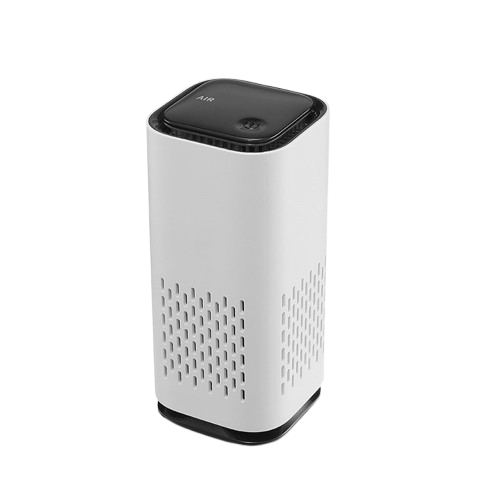
This guide walks through why smoke smell is so persistent, the cleaning steps that make the biggest difference, and how a compact cabin air purifier like the PureCabin™ FreshDrive can support your routine once the underlying odor sources have been addressed. Nothing here should be read as a medical claim — this is practical, general guidance for cabin freshness and odor management, not a treatment for any health condition.
Why does smoke smell cling to a car interior so stubbornly?
Tobacco smoke is made up of thousands of chemical compounds, including tar and other sticky residues that condense onto cool surfaces as smoke drifts through the cabin. In an enclosed vehicle, that means door panels, dashboard plastics, glass, and especially soft, porous materials like seat fabric, carpet, and headliner fabric absorb these residues. Every time the cabin warms up in the sun or the heater runs, some of those trapped compounds re-release into the air, which is why a car can smell fine in the morning and musty by afternoon.
Air vents and the HVAC system compound the problem. Smoke particles get pulled into the ventilation system and can settle in the evaporator housing and ductwork, as well as inside the cabin air filter itself. If that filter has never been changed, it may be acting as a reservoir of odor that recirculates every time the fan runs. This is one reason a single cleaning session rarely removes smoke smell completely — the odor is distributed across multiple surfaces and systems, not concentrated in one spot.
Step 1: Remove visible residue and trash first
Before deep cleaning, clear out ashtrays, cup holders, door pockets, and center console compartments. Dispose of any ash, cigarette butts, or wrappers. Wipe down hard surfaces — dashboard, door panels, center console, steering wheel, and window glass — with an appropriate interior cleaner and microfiber cloth. This first pass will not remove deep-set odor, but it eliminates the most concentrated, obvious sources and gives you a clean baseline to work from.
Glass deserves special attention. Smoke residue on the inside of windows and the windshield can look like a faint film and often smells strong when warmed by sunlight. Clean glass with a dedicated glass cleaner rather than an all-purpose spray, since some cleaners leave streaks or a hazy residue on glass that can actually trap more odor-causing particles over time.
Step 2: Deep clean fabric, carpet, and upholstery
Vacuum thoroughly, including hidden areas
Use a vacuum with a narrow attachment to get into seat seams, under seats, between the console and seats, and along the base of the door panels. Smoke particles settle in these hard-to-reach gaps, and skipping them leaves a lingering source of odor even after the visible surfaces look clean.
Shampoo or steam-clean fabric surfaces
Fabric seats, floor mats, and carpet typically need more than vacuuming. A fabric-safe upholstery shampoo or a steam cleaner can lift embedded residue out of the fibers rather than just masking it. If you are not comfortable doing this yourself, many detailing shops offer interior shampoo services specifically marketed for smoke odor removal. Always test any cleaning product on a small hidden area first, and follow the manufacturer's instructions for your specific upholstery material.
Let everything dry completely
Damp fabric that does not fully dry can develop a musty, mildew smell on top of the smoke odor, which makes the problem worse rather than better. After cleaning, park with windows cracked (weather permitting) or use fans to circulate air until carpets and seats are completely dry before closing up the vehicle for an extended period.
Step 3: Address the headliner and hard-to-reach fabric
The headliner — the fabric covering the ceiling of the car — is often overlooked, but it sits directly above where smoke concentrates and can hold odor for a long time. Because headliner fabric is glued to a backing board, it should be cleaned gently: lightly dab (do not soak) with a fabric-safe cleaner and a soft cloth, working in small sections. Excess moisture can cause the headliner to sag or separate from its backing, so this step calls for a light touch.
Step 4: Clean or replace the cabin air filter
Your vehicle's cabin air filter is designed to catch dust, pollen, and particulates before air reaches the interior, but it can also absorb smoke odor over time. If your car has been smoked in regularly, a heavily saturated cabin filter can undo much of your cleaning effort every time the fan runs. Check your owner's manual for the filter's location — it is often behind the glovebox — and replace it if it looks discolored or you can smell smoke on it directly. This is a low-cost step that makes a real difference.
Step 5: Ventilate and run the HVAC system deliberately
With windows down and the car parked in a safe, well-ventilated location, run the blower on a fresh-air (non-recirculating) setting for several minutes at a time over a few days. This helps flush out some of the odor sitting in the ductwork and evaporator area. Avoid running the AC on recirculate mode until the smell has noticeably improved, since recirculating mode simply cycles the same cabin air rather than exchanging it.
Step 6: Use odor absorbers and a portable air purifier
Once you have cleaned surfaces, fabric, and the cabin filter, odor-absorbing products (such as activated charcoal bags or baking soda left in the car overnight) can help pull residual smell out of the air between drives. A portable, USB-powered cabin air purifier like PureCabin™ FreshDrive can be a useful part of this final stage. FreshDrive runs on negative-ion technology paired with a composite filter, operates below 36dB so it will not compete with music or calls, and plugs into any USB port, power bank, or adapter — no separate battery or bulky plug required.
It is important to set expectations correctly: a portable purifier is a supporting tool for freshening enclosed air, not a stand-alone solution and not a medical device. It works best after the underlying smoke residue has been cleaned from fabric, carpet, and the filter — trying to purify your way past deeply embedded residue without cleaning first will generally disappoint. Used as part of a full routine, though, it can help maintain a fresher cabin between deep cleans.
How long does it take to fully remove smoke smell?
For light, occasional smoke exposure, a thorough one-time cleaning plus a few days of ventilation is often enough. For a car that has been smoked in regularly over months or years, expect the process to take longer — sometimes several cleaning sessions spread over a few weeks, along with a cabin filter replacement and consistent use of odor absorbers. Patience matters here: residue trapped deep in foam cushions or ductwork releases gradually, so smell reduction is usually incremental rather than instant.
Common mistakes that slow down smoke odor removal
- Masking instead of cleaning. Air fresheners and scented sprays can temporarily cover smoke smell but do nothing to remove the underlying residue, and the smoke odor typically returns once the fragrance fades.
- Skipping the cabin air filter. Cleaning every surface but ignoring a smoke-saturated filter means odor keeps recirculating every time the fan runs.
- Closing up damp interiors. Cleaning fabric and then sealing the car before it dries can introduce a musty smell on top of the smoke odor.
- Using recirculate mode too soon. This keeps the same odor-carrying air cycling through the cabin instead of exchanging it for fresh air.
- Expecting one product to solve everything. Odor absorbers, purifiers, and cleaning products all play a supporting role, but none of them replace physically removing residue from fabric and filters.
Building a maintenance routine to prevent smoke smell from returning
If you or passengers smoke in the vehicle occasionally, a maintenance routine can prevent odor from building back up to uncomfortable levels. Keep windows cracked slightly while smoking when safe to do so, avoid smoking with the AC on recirculate, empty ashtrays and trash after every drive, and vacuum weekly rather than monthly. Running a compact purifier such as FreshDrive during regular commutes can help support fresher air between deeper cleaning sessions, and its 50m³/h air volume is sized appropriately for a typical car interior rather than a much larger space.
For a broader look at building sustainable cabin-air habits, see our guide on how to keep your car smelling fresh every day, which covers daily habits beyond smoke-specific cleanup.
Don't forget the trunk, vents, and door seals
The trunk is easy to overlook, but it shares air with the rest of the cabin in many vehicles, especially hatchbacks and SUVs with a pass-through to the rear seats. If smoking has occurred with windows down and doors open near the trunk, or if smoke-affected items (like clothing or upholstery scraps) have been stored there, residue can build up in this space too. Remove all contents, vacuum thoroughly, and wipe down hard surfaces the same way you would the main cabin.
Air vents themselves — the physical louvers you can see and adjust — often collect a thin film of residue that is easy to miss because it is not directly visible when the vents are angled normally. Use a cotton swab or a small detailing brush dipped in a mild cleaning solution to clean between the vent fins. Door seals and weatherstripping can also trap smoke odor over time; wiping them down with a damp cloth as part of your cleaning session helps close off another potential odor source that is frequently missed during a standard interior cleaning pass.
When to consider professional detailing
If you have gone through a full cleaning cycle — vacuuming, shampooing upholstery, cleaning the headliner, replacing the cabin filter, and ventilating — and smoke odor is still strong, it may be worth having a professional detailer assess the vehicle. Some shops offer ozone treatment or specialized odor-removal services for vehicles with heavy, long-term smoke exposure, typically reserved for cases where DIY methods have not sufficiently reduced the smell after multiple attempts. Ask what process a shop uses and whether it is safe for your specific upholstery before booking.
Frequently asked questions
Will a car air purifier alone remove smoke smell?
A purifier can help freshen the air in the cabin, but it works best alongside cleaning fabric, carpet, and the cabin air filter. Smoke residue that has settled into porous materials generally needs to be physically cleaned, not just filtered from the air.
Is it safe to use cleaning products on car upholstery?
Always check your vehicle's upholstery material and test any product on a small hidden area first. Follow the product instructions and your owner's manual for material-specific guidance.
How do I know if my cabin air filter needs replacing?
Reduced airflow from the vents, a musty or smoky smell when the fan runs, or a filter that looks visibly discolored are all signs it may be time for a replacement. Many manufacturers recommend replacing it roughly every 12,000 to 15,000 miles, but smoke exposure can shorten that interval.
Can I sell or trade in a car that used to smell like smoke?
Yes, once the odor has been meaningfully reduced through a thorough cleaning process. Buyers and dealers are often sensitive to lingering smoke smell during a test drive or inspection, so completing the cleaning steps in this guide before listing or trading in a vehicle can help avoid a lower valuation or difficulty finding a buyer.
Where FreshDrive fits into your smoke-odor routine
PureCabin™ FreshDrive is available in four variants — White, Black, White Pro, and Black Pro — for $24.99 USD with free shipping. It uses USB power, one-touch controls, and quiet, negative-ion operation under 36dB, making it easy to run during commutes without adding noise. Review the full FreshDrive FAQ for placement and usage details, and check our shipping policy and refund policy before ordering. If you have questions about your specific vehicle or use case, our contact page is the fastest way to reach us. You can also browse more cabin-care guides on the PureCabin blog.
This article provides general cleaning and product information only. It is not medical advice, and no portable air purifier is a substitute for removing odor sources, cleaning fabric and filters, or following your vehicle manufacturer's maintenance recommendations.
PureCabin FreshDrive
Fresher cabin air from $24.99
USB-powered · Quiet under 36dB · Free shipping · Secure Stripe checkout