Cabin Air Guide
Best USB Car Air Purifier in 2026: Buying Guide
What to look for in a USB-powered car air purifier in 2026, including noise levels, size, filter type, power source, and daily-drive practicality.
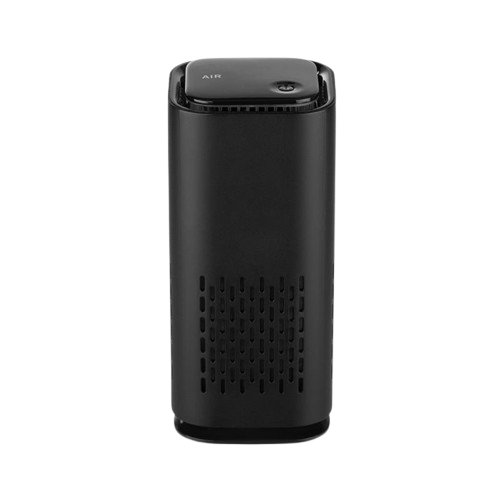
USB-powered car air purifiers have become one of the most popular small upgrades for daily drivers, rideshare vehicles, and commuters who want a fresher cabin without installing anything permanent. In 2026, the category has matured: options range from cheap, noisy units with vague specs to genuinely well-engineered compact purifiers that fit a cup holder, run quietly, and connect to the USB ports already built into most modern vehicles. Choosing well means knowing which specs actually matter and which are just marketing noise.
This buying guide breaks down the practical criteria for evaluating a USB car air purifier — power source, noise level, filter technology, size, and controls — and explains where a compact option like the PureCabin™ FreshDrive fits for shoppers who want a straightforward, affordable choice.
Why USB power matters for a car air purifier
Most modern vehicles include at least one USB port, and many include several across the front and rear seats. This makes USB the most convenient power standard for an in-car accessory: no separate battery to remember to charge, no bulky household adapter, and compatibility with power banks if you want to use the same unit away from your car. When comparing options, confirm the unit ships with its own USB cable and works from a standard 5V USB source rather than requiring a specific proprietary charger, which can limit where you can plug it in.
Battery-powered purifiers exist too, but they add another item to remember to charge and often cost more for the same performance. For a car specifically — where USB power is already available and free — a USB-powered unit like FreshDrive is usually the more practical and lower-maintenance choice for daily use.
Noise level: the spec that determines whether you'll actually use it
A surprising number of car air purifiers are noisier than their marketing suggests, which matters enormously in a small, enclosed cabin where you are also trying to hear music, navigation, or phone calls. Look for a stated decibel rating rather than vague language like "whisper quiet." FreshDrive is rated below 36dB, which is roughly comparable to a quiet library or a soft conversation at a distance — quiet enough to run continuously during a commute without becoming a distraction.
If a product listing does not include a specific decibel number, it is difficult to know what you are actually getting. Whenever possible, compare stated dB ratings side by side, and read verified reviews mentioning real-world noise rather than relying on marketing copy alone.
Size and placement: does it fit your vehicle?
A purifier that is too tall or wide can block your view of controls, interfere with the gear shifter, or simply look awkward wedged into a cup holder. Before buying, measure your intended placement — cup holder, console tray, or dashboard area — and compare it against the product's listed dimensions. Compact, cylindrical designs generally fit cup holders more reliably than boxy or irregularly shaped units.
Also consider cable routing. A purifier that requires a cable running across the driver's footwell or over the shifter can become a safety hazard. Look for a placement where the USB cable can run along the console or dashboard without crossing pedals or controls.
Filter and purification technology
Most compact car air purifiers use one or a combination of these approaches:
- Composite or multi-layer filters that physically capture dust and particulates as air passes through.
- Negative-ion generation, which releases negatively charged ions into the air. FreshDrive combines a composite filter with negative-ion technology.
- UV-C light, used in some purifiers, though this adds cost and complexity for a small cabin.
Be cautious of listings that make sweeping health or medical claims about any of these technologies. A portable purifier can support a fresher-smelling, more comfortable cabin as part of a broader routine, but it is not a medical device and should not be marketed or understood as a cure for allergies, illness, or air quality hazards. Evaluate products on realistic, practical terms: air volume, filter maintenance, and daily usability.
Air volume: matching the purifier to your space
Air volume, often listed in m³/h, indicates how much air a unit can process per hour. FreshDrive is rated at 50m³/h, sized appropriately for a car interior or a small personal space up to roughly 10m² (about 100 square feet) — think a sedan cabin, a small home office, or a bedroom nightstand. If a listing advertises coverage for a much larger room at the same air volume rating, that is a sign the specs may be exaggerated relative to real-world performance.
Controls and ease of use
In a moving vehicle, complexity is a liability. A single-touch control that toggles power (and, where applicable, fan speed or ion mode) is easier and safer to operate than a multi-button interface with a small screen. Always adjust settings while parked, not while driving, regardless of how simple the controls are.
Build quality and materials
A car cabin experiences temperature swings — hot in summer, cold in winter — so materials matter. Look for a durable ABS housing that can handle those swings without warping or becoming brittle. FreshDrive's compact ABS body is designed with this kind of daily in-car use in mind, rather than as a delicate device meant only for climate-controlled indoor spaces.
Price versus value: what $24.99 should get you
Pricing for USB car air purifiers varies widely, but a reasonable budget-to-mid-range option should include a stated noise rating, a clear filter/technology description, USB power with an included cable, and straightforward one-touch operation. At $24.99 USD with free shipping, FreshDrive is positioned as an accessible entry point that still includes those core features across four color and style variants — White, Black, White Pro, and Black Pro.
Reading product listings critically
Online marketplaces are full of car air purifier listings that use similar stock photography and near-identical marketing language, which makes it hard to tell products apart at a glance. A few practical checks can help you evaluate a listing more critically before buying:
- Look for exact specs, not adjectives."Ultra quiet" means little without a dB number. "Powerful purification" means little without an air volume rating.
- Check for a real brand and support page. A company with a working FAQ, shipping policy, and contact page is generally more accountable than an anonymous storefront.
- Be skeptical of medical claims. Reputable sellers avoid claiming a personal air purifier treats or cures any condition. Overreaching health claims are a red flag, not a selling point.
- Compare photos of the actual unit in use. Renders and studio photography can hide real-world size. Look for in-context photos showing the unit in a cup holder or on a desk.
Warranty, returns, and after-sale support
Because a car air purifier is a small electronic accessory used in a demanding environment (temperature swings, vibration, frequent handling), it is worth checking what happens if something goes wrong. Before ordering any unit, look for a clear shipping timeline, a defined return or refund window, and a way to contact the seller directly with questions. These policies matter more than they might seem at first glance, since a low-cost accessory with no support path can become a frustrating purchase if it arrives damaged or does not perform as expected.
PureCabin publishes its shipping policy and refund policy directly on the site, along with a dedicated FAQ pagecovering common questions about FreshDrive's setup, placement, and maintenance — the kind of transparency worth looking for from any seller in this category.
How to set up a new USB car air purifier correctly
- Choose a stable, secure location — typically a cup holder or a flat section of the console — where the unit will not tip or slide while driving.
- Route the USB cable along the console or dashboard, keeping it clear of the pedals, shifter, and steering column.
- Connect to a USB port, power bank, or compatible adapter and confirm the unit powers on as expected.
- Familiarize yourself with the one-touch control while parked, before relying on it during a drive.
- Check the manufacturer's guidance on filter maintenance and cleaning frequency, and set a simple reminder if needed.
Comparing purifiers vs. your cabin air filter
It is worth understanding that a portable purifier and your vehicle's built-in cabin air filter serve different roles. The cabin filter cleans incoming air before it reaches the vents; a portable purifier works on the air already inside the cabin. For a full breakdown of how these two systems complement each other, see our guide on car air purifiers vs. cabin air filters.
A practical checklist before you buy
- Confirm a specific decibel (dB) rating is listed.
- Measure your intended placement area (cup holder, console, dash).
- Check that USB power and cable are included.
- Look for a clear description of filter and/or ion technology.
- Verify air volume (m³/h) is reasonable for a car-sized space.
- Prefer one-touch controls over complex multi-button interfaces.
- Read the manufacturer's FAQ and return policy before ordering.
Where else can a USB car air purifier be used?
One advantage of a USB-powered design is portability beyond the vehicle. FreshDrive's compact size and USB compatibility make it just as suitable for a desk, dorm room, or small bedroom as it is for a commute. If your primary use case is switching between a car and a home workspace, a single well-designed unit can reasonably cover both rather than requiring separate purchases.
Who should consider a USB car air purifier in 2026?
This category tends to appeal most to a few overlapping groups of drivers: commuters who spend an hour or more in the car daily and want a fresher-feeling cabin during that time, rideshare and delivery drivers whose vehicles see frequent passenger turnover, pet owners managing dander and odor between grooming sessions, and anyone who has dealt with smoke, food, or moisture odors and wants an ongoing layer of support alongside regular cleaning. If none of these describe your situation, a purifier may still be a reasonable low-cost accessory, but the value tends to be most noticeable for drivers who spend significant time in an enclosed cabin regularly.
It is also worth considering how the unit performs outside the car. Since FreshDrive is USB-powered and compact enough for a desk or nightstand, buyers who want one accessory that serves double duty — commute and workspace — may get more overall value than someone shopping for a car-only solution.
Frequently asked questions
Do USB car air purifiers drain my car battery?
A small USB accessory draws minimal power, comparable to charging a phone. Most vehicles can support this while the engine is running or briefly while parked, but avoid leaving any USB accessory running for extended periods with the engine off, since this can contribute to battery drain over time depending on your vehicle.
How often do I need to replace or clean the filter?
Follow the manufacturer's instructions included with your unit. Regular light dusting or wiping of the housing, combined with following the recommended filter replacement schedule, helps maintain consistent performance.
Is a more expensive purifier always better?
Not necessarily. Price often reflects brand, design finish, or additional features like displays and remote controls rather than core performance. Focus on the practical specs covered in this guide — noise, size, power source, and air volume — rather than price alone.
Is FreshDrive the right USB purifier for you?
If you want a straightforward, quiet, affordable USB car air purifier without unnecessary complexity, FreshDrive is designed to fit that need. Review full specifications and common questions on our FAQ page, and check our shipping policy and refund policy before checkout. Browse more comparisons and guides on the PureCabin blog, or reach out through our contact page with any questions about fit or use.
This article provides general product and buying guidance. It is not medical advice, and a portable air purifier does not replace your vehicle's cabin air filter or routine maintenance.
PureCabin FreshDrive
Fresher cabin air from $24.99
USB-powered · Quiet under 36dB · Free shipping · Secure Stripe checkout