Buying Guide
Truck and SUV Air Purifier Buying Guide
How to choose a compact air purifier that fits larger truck and SUV cabins, covering power, noise, placement, coverage, and daily-use durability.
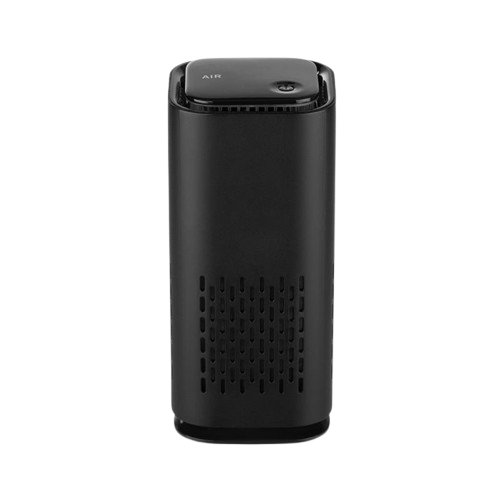
Trucks and SUVs bring their own set of cabin-air challenges. Larger interiors, higher seating, cargo areas that double as storage for tools or sports gear, and frequent trips with pets or passengers all mean more opportunities for dust, odors, and stale air to build up. At the same time, a bigger cabin does not automatically need a bigger or more complicated purifier — it needs one that is placed well, runs quietly during long highway stretches, and fits into how the vehicle is actually used.
This guide walks through what to look for when shopping for a truck or SUV air purifier, how larger vehicles differ from compact cars in practice, and where a portable USB purifier such as the PureCabin™ FreshDrive fits into a sensible cabin-care routine for bigger vehicles.
Why trucks and SUVs face different air-quality challenges
A midsize sedan cabin is a relatively small, uniform space. Trucks and SUVs are often larger, have more upholstery and cargo surface area, and are more likely to be used for hauling, towing, job sites, outdoor recreation, or transporting pets. Each of these uses adds its own contribution to cabin air: work boots and equipment bring in dust and debris, wet gear from hiking or camping trips adds moisture, and pets shed hair and dander across seats and cargo liners.
Larger cabins also mean the front seats can feel farther from the rear cargo area, so odors that start in the back of an SUV or the bed-adjacent cab of a truck may take longer to become noticeable up front — by which point they have often had more time to settle into fabric and carpet.
Key differences between purifiers for large vehicles vs. sedans
It is a common misconception that a bigger cabin automatically needs a larger, higher-output purifier. In practice, most portable cabin purifiers are designed for personal, near-body use — placed in a center console, cup holder, or dashboard area close to the driver and front passenger — rather than trying to treat the entire interior volume of a three-row SUV at once. What actually changes with a larger vehicle is less about raw purifier size and more about placement, mounting stability, and realistic expectations for coverage.
What to look for when buying a truck or SUV air purifier
1. Power source and mounting flexibility
Trucks and SUVs typically have multiple USB ports across front and rear rows, which makes a USB-powered purifier a practical choice. Look for a unit that includes a cable long enough to reach a comfortable mounting spot, and consider whether it needs to work from a front console, a rear USB port for back-seat passengers, or a power bank when the vehicle is off.
2. Noise level for long highway trips
Trucks used for towing or highway commuting often already have more road and wind noise than a sedan. A purifier that adds its own mechanical hum on top of that can become genuinely annoying on a multi-hour drive. Look for a stated noise level — FreshDrive is designed to run below 36dB, which is intended to stay unobtrusive even with music or a phone call in progress.
3. Realistic coverage expectations
Manufacturer coverage figures for portable purifiers are typically based on smaller, enclosed spaces — for example, FreshDrive is rated for spaces up to roughly 10m² (about 100 square feet), which approximates a car or truck cab rather than an entire SUV cargo hold. Treat a portable purifier as a tool for the immediate area around the front seats, not as a way to treat every cubic foot of a large three-row interior.
4. Durable, simple construction
Work trucks and outdoor-oriented SUVs see more dust, temperature swings, and general wear than a garage-kept commuter car. A compact purifier with a solid ABS body and no fragile external parts is easier to live with day to day, especially if it travels between a vehicle and a garage, jobsite, or home office.
5. One-touch controls you can use without looking
Reaching for a multi-button interface while driving a larger vehicle with more blind spots is not a good habit to build. A single touch-control button that you can operate once, before pulling out of a parking spot, is a safer and more practical design for daily truck or SUV use.
Placement tips for larger cabins
In a truck, a center console cup holder or a flat dash area near the USB port usually offers the most stable placement without blocking gauges or controls. In a three-row SUV, front-row placement is typically most effective for the driver and front passenger, while a second unit — or simply better cabin ventilation and cleaning habits — is more realistic for treating the second and third rows than expecting one small purifier to cover the entire vehicle.
Always secure the purifier so it cannot roll or slide during braking, acceleration, or off-road use, and keep its air openings clear of cups, papers, or other console clutter.
Common odor and dust sources in trucks and SUVs
Work gear, tools, and jobsite dust are common contributors in trucks, especially when equipment is stored behind the seats or in a crew cab. Camping, hiking, and outdoor gear can introduce dirt, dampness, and organic odors in SUVs used for recreation. Pets add hair and dander across seats and cargo liners, and long commutes with drive-through food add the same everyday odor sources found in any vehicle, simply spread across more surface area.
Addressing these sources directly — regular vacuuming, removable cargo liners that can be hosed off, seat covers that can be washed, and prompt cleanup after wet or muddy trips — will always do more for long-term freshness than a purifier alone. A portable purifier is best used as a daily-use layer on top of this kind of maintenance.
Crew cabs, extended cabs, and second-row considerations
Trucks come in enough configurations — regular cab, extended cab, crew cab — that a single placement recommendation does not fit every vehicle. In a crew cab used regularly for passengers, it is worth considering a second, inexpensive unit for the rear bench if back-seat air quality matters as much as the front. In an extended cab used mostly for solo driving with occasional rear cargo, a single front-mounted purifier paired with good rear-seat ventilation habits is usually enough.
SUV owners face a similar question with second and third rows. Rather than trying to engineer whole-vehicle coverage from one compact unit, it is more effective to treat the front cabin as the primary purifier zone and rely on periodic ventilation — briefly opening rear windows, using the vehicle's rear air vents, or airing out the cargo area after trips — to keep the back rows comfortable.
Seasonal considerations for larger vehicles
Trucks and SUVs used for towing, camping, or outdoor recreation tend to see heavier seasonal swings in cabin conditions than a commuter sedan. Summer road trips can mean sandy floor mats and sunscreen residue; fall and winter often bring wet leaves, snow, and road salt tracked in from job sites or trailheads. Building a light seasonal checklist — swapping to weather-specific floor liners, checking the cabin air filter before a heavy-use season, and giving the interior a deeper clean between seasons — pairs well with daily purifier use and keeps larger cabins from accumulating grime unnoticed over months of heavier use.
Comparing a compact purifier to larger in-cabin systems
Some larger SUVs and trucks include built-in ionizer or filtration features as part of their climate system, particularly in higher trim levels. If your vehicle already has this feature, a portable purifier is not redundant — it still offers the advantage of being placed close to the driver, working independently of the HVAC system, and moving with you if you switch vehicles. Built-in systems typically treat air as it passes through the ventilation ducts, while a portable unit like FreshDrive works continuously in the cabin regardless of fan speed or vent setting, which can be a useful complement rather than a duplicate.
How FreshDrive fits truck and SUV cabin care
The PureCabin™ FreshDrive was designed as a compact, USB-powered purifier suited to personal-space use in vehicles of any size, including trucks and SUVs. It uses negative-ion technology with a composite filter, moves air at roughly 50m³/h, and operates below 36dB — quiet enough to stay in the background during a long highway stretch or a job-to-job commute. Touch controls mean it can be started with one tap before you pull out, and its ABS housing is built for repeated daily use rather than occasional pampering.
FreshDrive is available in four variants — White, Black, White Pro, and Black Pro — each priced at $24.99 USD with free shipping, so drivers can match the unit to a light or dark interior. As with any portable purifier, it is intended to freshen enclosed air as part of a broader routine, not to replace cleaning, ventilation, or your vehicle's cabin air filter, and it makes no medical claims about treating allergies, illness, or respiratory conditions.
A practical maintenance routine for larger vehicles
- Clear tools, gear, and loose cargo from footwells weekly.
- Vacuum front and rear rows, including under-seat areas.
- Wipe down consoles, door panels, and cup holders.
- Hose off or wipe removable cargo liners after muddy or wet trips.
- Check the cabin air filter on the manufacturer's recommended schedule.
- Run a compact purifier in the front cabin during daily drives.
- Ventilate briefly on longer trips when weather allows.
Budgeting for accessories on a work or family vehicle
Trucks and SUVs already come with a longer list of practical accessories than most sedans — bed liners, cargo organizers, floor liners, roof racks — and it is easy for an air purifier to feel like one more line item to justify. A low-cost, USB-powered option that does not require installation, a dedicated power source, or ongoing maintenance beyond an occasional filter check is generally an easier addition to a vehicle budget than a hardwired or mains-powered alternative. Because FreshDrive is priced the same across all four variants, there is no trade-off between color choice and cost when matching it to a fleet vehicle, a personal truck, or a family SUV.
Frequently asked questions
Do I need a bigger purifier for a three-row SUV?
Not necessarily. A compact purifier is generally intended for the immediate cabin area near where it is placed rather than an entire large vehicle. Pair it with good cleaning habits and ventilation for the best overall result across a bigger interior.
Can I move one purifier between my truck and my desk?
Yes. Because units like FreshDrive are USB powered and compact, many owners move them between a vehicle, a desk, and a power bank depending on where they are working or driving that day.
Will a purifier remove pet hair or dust from seats?
No — a portable air purifier addresses airborne particles and odors in the surrounding air, not hair or debris that has settled onto fabric or carpet. Regular vacuuming and cleaning are still necessary for visible dirt, hair, and stains.
Choosing the right truck or SUV air purifier comes down to realistic expectations, sensible placement, and pairing it with a cleaning routine that matches how you actually use your vehicle. For more practical guides like this one, visit our blog, or check the FreshDrive FAQ for specific questions about power, coverage, and noise. Review our shipping policy and refund policy before ordering, and reach out through our contact page if you have questions — you can also learn more about the company on our about page.
This article provides general product and vehicle-care information. It does not provide medical advice, and a portable air purifier does not replace regular cleaning, ventilation, or your vehicle's cabin filtration system.
PureCabin FreshDrive
Fresher cabin air from $24.99
USB-powered · Quiet under 36dB · Free shipping · Secure Stripe checkout