Cabin Air Guide
Rideshare Driver Cabin Air Quality Tips
Keep your rideshare vehicle fresher between passengers with cleaning routines, ventilation habits, and how a quiet portable air purifier fits a driver's schedule.
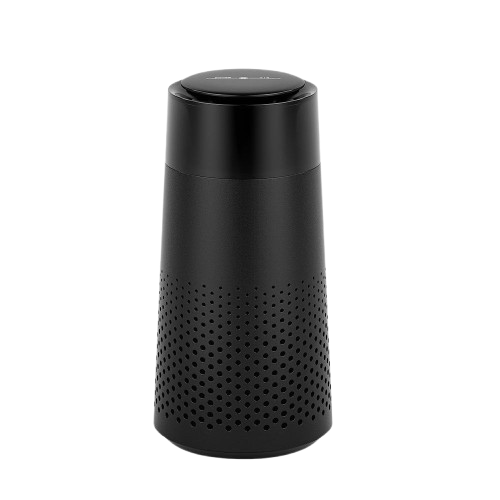
Rideshare and delivery driving puts a vehicle's cabin air through more stress than almost any other kind of daily use. Dozens of passengers with different habits, foods, perfumes, and sometimes pets pass through the same seats every week, and the driver is the one who breathes that air for hours at a stretch. Ratings and tips often mention "keep your car clean," but for someone driving eight or more hours a day, a workable cabin-air routine has to be fast, repeatable, and low effort between rides.
This guide covers practical, time-efficient habits for rideshare and delivery drivers, along with how a compact, quiet USB purifier such as the PureCabin™ FreshDrive can support a fresher cabin between passengers without adding another task to an already busy shift.
Why rideshare cabins face unique air-quality challenges
A personal vehicle accumulates odors gradually, from the same driver and the same handful of regular passengers. A rideshare vehicle accumulates odors from a constantly rotating set of strangers, each bringing their own combination of food smells, perfume or cologne, wet clothing, and sometimes smoke residue from clothing rather than smoking inside the car itself. On top of that, drivers often eat meals in the vehicle between rides, and long shifts mean the windows stay closed for air conditioning far more often than they would for an average commuter.
Passenger ratings can also be affected by cabin smell in ways that are hard to quantify — a passenger who notices a lingering odor may rate the overall experience lower even if the ride itself was smooth and on time. That makes cabin freshness a practical business consideration for drivers, not just a comfort preference.
A between-rides routine that actually fits a driver's schedule
The key constraint for a working driver is time. A cleaning routine that takes fifteen minutes between every ride is not realistic. The goal is to build small, fast habits that add up over a full shift.
1. A 30-second visual check between passengers
After each drop-off, glance at the seats and floor mats for spills, trash, or dropped items before accepting the next ride. Removing trash immediately prevents food odors from ever setting in, which is far easier than removing them after they have had time to soak into fabric.
2. Keep a small trash bag and wipes within reach
A dedicated trash bag clipped to a seat-back or console keeps passenger litter contained and out of seat crevices. Wipes handle sticky spills or shoe marks on door panels immediately, before they dry and become harder to remove.
3. Ventilate between longer rides when possible
On breaks or while waiting for a new ride request, briefly running the fan on a fresh-air setting instead of recirculation helps clear out any lingering smell from the previous passenger, especially after a ride involving food or strong fragrance.
4. Do a deeper clean on a fixed weekly schedule
Set a recurring time — for example, before your first shift of the week — to vacuum thoroughly, wipe down all hard surfaces, and check under seats for anything missed during quick checks. Treating this as a fixed appointment rather than "whenever I have time" keeps it from being skipped during busy weeks.
5. Rotate or wash seat covers regularly
Washable seat covers absorb the bulk of daily wear from rotating passengers. Having a spare set to swap in while one is being washed means you are never driving on covers that have gone too long without cleaning.
Why quiet, low-maintenance tools matter for drivers specifically
A driver spending a full shift in the same vehicle needs any onboard gadget to be unobtrusive. A purifier that hums loudly enough to be noticed will compete with music, calls, and passenger conversation for eight-plus hours a day, and a device that requires frequent charging or complicated controls adds friction to an already full schedule.
FreshDrive is designed with exactly this kind of daily, all-shift use in mind. It runs below 36dB, which is quiet enough to stay on continuously without becoming a distraction, and it draws power over USB directly from the vehicle, so there is no separate battery to remember to charge before a shift. Its one-touch control means it can be switched on at the start of a shift and left running without further attention.
Placement for a driver's workflow
- Position it in a cup holder or console mount where it will not block gear shift access or passenger legroom.
- Keep the USB cable routed neatly to avoid interfering with pedals or driving controls.
- Leave the air intake and outlet unobstructed, particularly if you use seat-back organizers or phone mounts nearby.
- Wipe the housing during your weekly deep clean, since it sits in a high-touch, high-traffic zone.
Handling specific passenger scenarios
After a food delivery pickup or a passenger with takeout
Food odors are one of the most common complaints in rideshare vehicles, since they can linger far longer than the meal itself. If a passenger brings food into the vehicle, a quick wipe of any surface they touched and a brief burst of fresh-air ventilation at the next opportunity helps prevent the smell from settling into fabric. Keeping a small supply of odor-neutralizing wipes specifically for this scenario, separate from general cleaning wipes, can speed up the turnaround between rides.
After a rainy or snowy pickup
Wet umbrellas, damp coats, and rain-soaked shoes introduce moisture that can lead to a musty smell if it is not addressed. An absorbent mat near the door threshold and a quick check of the floor area after wet-weather rides helps catch standing moisture before it soaks into carpet fibers.
After a passenger who smoked recently
Even when no one smokes inside the vehicle, residual smoke smell on clothing can transfer to seats and fabric. Running the fan on a fresh-air setting immediately after such a ride, rather than waiting until the end of your shift, reduces how much residual odor accumulates in upholstery over the course of a full day.
After a longer, multi-stop trip
Extended trips with multiple stops mean the same passenger's belongings, food, or pets may be in the vehicle for a longer window. A brief cabin check at each stop — not a full clean, just a glance — helps catch anything that needs attention before it has time to settle in.
Balancing driver income with cabin-care time
Every minute spent cleaning is a minute not spent driving paying rides, which is the core tension every rideshare or delivery driver navigates. The routine outlined in this guide is deliberately built around that constraint: fast checks between rides that take seconds, not minutes, and a single dedicated deep-clean session per week rather than daily deep cleaning that would eat into earning time. A quiet, always-on purifier fits this balance well precisely because it requires no ongoing time investment once it is switched on — it works passively in the background while you focus on driving and accepting rides.
Many experienced drivers find that investing a small amount in consistent, low-effort tools — a purifier, a trash bag system, washable seat covers — pays for itself through fewer low ratings tied to cabin cleanliness and less time spent on emergency deep cleans after odors have already set in. Prevention, in other words, tends to be more time-efficient than remediation.
Setting realistic expectations
A portable purifier supports fresher air between and during rides, but it does not replace the cleaning habits above, and it is not a medical device or a guarantee against every possible odor a rotating set of passengers might bring into the vehicle. The most reliable approach for drivers is layering: quick between-ride checks, a fixed weekly deep clean, consistent ventilation, and a quiet purifier running throughout the shift to support the cabin air in between.
FreshDrive is available in four variants — White, Black, White Pro, and Black Pro — for $24.99 USD with free shipping, making it practical to keep one in each vehicle if you drive more than one car for rideshare or delivery work. Full specifications, including air volume and filter details, are on our FAQ page.
Building supplies into your vehicle setup
A well-organized supply kit reduces friction for the quick, between-ride habits described above. Keeping trash bags, wipes, a small hand vacuum or dustpan, and spare seat covers in a consistent spot — such as a console organizer or a bag in the trunk — means you never have to search for supplies when a quick clean-up is needed between rides. Drivers who keep supplies scattered or stored at home rather than in the vehicle itself tend to skip quick fixes simply because the right tool is not within reach in the moment.
It also helps to restock this kit on the same day each week, ideally alongside your scheduled deep clean, so you are never caught without wipes or a fresh trash bag mid-shift. Treating supply restocking as part of your weekly routine, rather than an afterthought, keeps the whole system running smoothly without adding extra mental overhead during busy driving hours.
Communicating cleanliness to passengers
Beyond the physical cleaning itself, small signals can reassure passengers that a vehicle is well maintained. A visibly empty trash receptacle, a clean-smelling cabin at pickup, and tidy floor mats all contribute to a passenger's first impression before a ride even begins. Some drivers keep a small note or sign mentioning that the vehicle is cleaned regularly, which can set expectations positively, particularly for passengers who may be sensitive to smells or allergens.
None of this replaces the substance of an actual cleaning routine — it simply reinforces it. A vehicle that looks and smells clean because it genuinely is clean will always make a stronger impression than one that merely appears tidy at a glance.
Adapting the routine for different vehicle types
Sedans used for standard rideshare rides benefit most from a simple, consistent front-and-back-seat routine, since passenger contact is concentrated in a smaller area. Larger SUVs or minivans used for group rides or larger parties may need extra attention to third-row seating and cargo areas, which can be easy to overlook during quick between-ride checks. Delivery drivers using hatchbacks or smaller vehicles with frequent cargo turnover should pay particular attention to the trunk or rear cargo area, since food delivery bags and packaging can introduce odors that differ from typical passenger-related smells.
Frequently asked questions for rideshare and delivery drivers
How often should I deep clean a rideshare vehicle?
A weekly deep clean is a reasonable baseline for a vehicle used regularly for rideshare or delivery work, supplemented by quick checks and trash removal between individual rides.
Can FreshDrive run for an entire shift?
FreshDrive is designed for continuous USB-powered operation. Follow the included instructions for safe placement and ventilation, and connect it to a compatible USB port or power bank in your vehicle.
Will a purifier eliminate all passenger-related odors?
No single product can guarantee that. A purifier is one supporting layer; consistent cleaning, trash removal, and ventilation remain the most effective tools for managing rotating passenger odors.
This article provides general product and workflow information for professional drivers. It does not provide medical advice, and a portable air purifier does not replace regular vehicle cleaning or maintenance. Browse more driver-focused guides on our blog, review our shipping policy, or contact us with questions about outfitting multiple vehicles.
PureCabin FreshDrive
Fresher cabin air from $24.99
USB-powered · Quiet under 36dB · Free shipping · Secure Stripe checkout