Odor Removal
How to Remove Food Smell from Your Car Fast
Step-by-step tips to clear takeout odors, spilled drinks, and lingering food smells from your car seats, carpets, and vents.
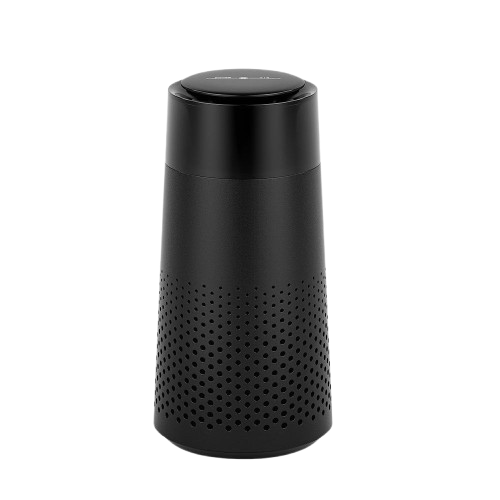
Eating in the car is convenient, but the smell it leaves behind is not always as easy to enjoy the next morning. A dropped fry, a spilled soda, or a fast-food bag left in the back seat overnight can turn into a lingering odor that seems to reappear every time the heater or air conditioning kicks on. The good news is that most food smells can be cleared out with a focused cleaning session and a little patience.
This guide walks through a practical process for tracking down and removing food odors, along with how a portable purifier like the PureCabin™ FreshDrive can support a fresher-smelling cabin once the cleanup is done.
Why do food smells linger in a car?
A car cabin is small, mostly sealed, and often warm, which is exactly the environment where odors tend to intensify rather than fade. Food particles and liquids can work their way into carpet fibers, seat seams, and even the ventilation system, where they continue to release smell long after the original mess seems cleaned up. Heat from sun exposure can also make lingering food residue smell stronger, especially in summer.
Step 1: Remove all visible food waste immediately
Start by removing everything: wrappers, cups, napkins, and any containers, even ones that look empty. Check under seats, in door pockets, and in seat-back pockets, since small items are easy to forget. The longer food waste sits, the more time it has to soak into fabric or plastic.
Step 2: Address spills before they dry
If a drink or sauce has spilled, blot it immediately with a clean cloth or paper towel rather than rubbing, which can push the liquid deeper into the fabric. For fresh spills, a mix of mild soap and water applied with a cloth—never soaked directly onto the seat—can help lift residue. Test any cleaning solution on a small hidden area first to avoid discoloring upholstery.
For fabric seats and carpets
Blot excess liquid, then apply a small amount of upholstery cleaner or a mild detergent solution with a soft brush. Work in small sections and avoid oversaturating the fabric, since trapped moisture can create a musty smell of its own.
For leather or vinyl surfaces
Wipe with a damp cloth and a cleaner formulated for the material. Avoid harsh chemicals that can dry out or discolor leather over time.
Step 3: Vacuum thoroughly
Once spills are cleaned and dried, vacuum seats, carpets, floor mats, and any crevices where crumbs collect. A crevice attachment is useful for seat seams and the gap between seats and center consoles, which are common hiding spots for small food particles.
Step 4: Deodorize, don't just mask the smell
Air fresheners can temporarily cover a smell but do not remove the source. Baking soda is a widely used option: sprinkle it on fabric seats or carpets, let it sit for several hours or overnight, then vacuum it up. This can help absorb some lingering odor from fabric without adding a strong fragrance of its own.
Step 5: Ventilate before closing up the car
After cleaning, park with doors or windows open in a safe location for a while to let the cabin air out. This is especially useful after using any cleaning products, since some scents from cleaners can be strong at first and fade with ventilation.
Step 6: Check the cabin air filter and vents
If a strong spill or long-forgotten food item was left in the car for an extended period, odor can sometimes reach the ventilation system. If smells persist specifically when the fan is running, it may be worth checking your cabin air filter for buildup or contamination, and replacing it if needed.
Step 7: Use a portable air purifier for ongoing freshness
Once the source of the smell has been cleaned and removed, a compact air purifier can support a fresher-feeling cabin going forward. FreshDrive uses negative-ion technology and a composite filter, runs on USB power from a car port, power bank, or adapter, and operates below 36dB so it will not add noticeable noise to your drive.
It is not designed to remove a strong existing odor on its own, and it works best as a supporting step after the underlying mess has been physically cleaned. Running it regularly, especially after eating in the car, can help maintain a fresher cabin over time.
Dealing with specific food and drink odors
Coffee and other hot drinks
Spilled coffee can leave both a stain and a lingering smell, especially on light-colored fabric. Blot immediately, treat with a mild upholstery cleaner, and avoid using scented cleaning products that might mix with the coffee smell rather than replacing it.
Fast food and fried food odors
Grease from fried food can settle into fabric and plastic surfaces, and the smell often lingers longer than the meal itself. In addition to vacuuming, wiping down hard surfaces like the dashboard, door panels, and center console with a degreasing-safe cleaner can help, since grease residue on plastic is easy to overlook.
Dairy and perishable spills
Milk, cream-based sauces, or other dairy spills can develop a sour smell relatively quickly, especially in warm weather. These spills deserve prompt attention and thorough cleaning, since dairy residue left in fabric can be one of the more stubborn odors to fully remove.
Fruit and sugary drink spills
Sugary spills can attract residue and become sticky as they dry, which sometimes traps odor-causing bacteria in the fabric. Clean these spills with water and a mild detergent, then let the area dry completely before closing up the car.
Should you use scented sprays or diffusers?
Air fresheners, scented sprays, and hanging diffusers are popular, but they generally work by adding a new scent rather than removing the underlying odor. If used before the actual food residue is cleaned, they can create an unpleasant combination of smells rather than a genuinely fresh cabin. It is usually best to treat scented products as a finishing touch after cleaning, rather than a first-line solution, and to use them sparingly since strong fragrances can be distracting or bothersome to some passengers.
When to consider professional detailing
If a spill has gone unnoticed for an extended period, or if odor persists after multiple cleaning attempts, professional interior detailing may be worth the cost. Detailers often have access to steam cleaning and extraction equipment that can reach deeper into seat foam and carpet padding than typical home cleaning tools, which can make a meaningful difference for long-standing odors.
Preventing food smells from coming back
- Keep a small trash bag or container in the car for wrappers and napkins.
- Avoid eating particularly messy or strongly scented foods in the car when possible.
- Check under seats and in door pockets weekly for forgotten items.
- Use spill-proof cup lids for drinks in cup holders.
- Clean spills as soon as they happen rather than waiting until later.
- Run a portable purifier regularly rather than only after a noticeable smell develops.
Cleaning supplies worth keeping in your car
Having a small cleanup kit on hand makes it much easier to deal with spills the moment they happen rather than waiting until you get home. A simple kit can fit in the trunk or a door pocket without taking up much space.
- A pack of absorbent wipes or paper towels for immediate blotting.
- A small bottle of mild upholstery-safe cleaner.
- A resealable bag for wet or soiled items until you can wash them.
- A small trash bag to collect wrappers and packaging as you go.
- Disposable gloves if you frequently deal with messier spills.
Keeping these items within easy reach means a spill is more likely to get cleaned up in the first few minutes, which is generally when cleanup is easiest and odor has the least chance to set in.
Kids, pets, and recurring food messes
Families with young children and pet owners often deal with food and drink spills more frequently than the average driver. A few extra habits can help in these situations specifically:
- Use spill-resistant cups and snack containers for young passengers.
- Add a washable seat cover or car seat liner in rows where kids or pets regularly ride.
- Do a quick end-of-day check under seats and in seat-back pockets where snacks are easy to drop and forget.
- Keep a dedicated small trash bag just for the back seat if that is where most messes happen.
These small adjustments tend to reduce how often deep cleaning is needed, since most odor problems start as a series of small, overlooked messes rather than a single dramatic spill.
What if the smell won't go away?
Persistent odors that do not respond to cleaning, vacuuming, and deodorizing may have soaked into deeper layers of foam padding under the fabric, or into the carpet padding beneath floor mats. In these cases, a professional interior detailing service with deeper extraction cleaning equipment may be more effective than home methods. It is also worth checking for a forgotten spill in an out-of-sight area, such as under a seat or in the trunk.
Building a quick after-meal cabin habit
Many food smells in cars come from small messes that were never a big deal on their own but added up over weeks or months without a proper cleaning. Building a two-minute habit after eating in the car can prevent most of this buildup before it starts: gather wrappers and cups, check the seat and floor for dropped crumbs, and wipe any visible spill with a wipe from your cleanup kit. This small routine, repeated consistently, tends to do more for long-term cabin freshness than an occasional deep clean after the smell has already become noticeable.
Is FreshDrive a good fit for food-smell prevention?
FreshDrive is a compact, USB-powered purifier available in four variants—White, Black, White Pro, and Black Pro—at $24.99 USD with free shipping. It is best used as an everyday addition to your cabin-care routine: clean up spills and waste promptly, vacuum regularly, and let FreshDrive support ongoing freshness between deep cleans.
You can review full specifications on our home page, browse common questions on the FAQ page, and check delivery timing on our shipping policy before ordering.
Frequently asked questions
How long does it take to remove a food smell from a car?
Fresh spills cleaned promptly can often be handled within an hour, including cleaning, vacuuming, and initial ventilation. Older or more stubborn odors may take repeated cleaning sessions over a few days, especially if liquid has soaked into padding.
Does baking soda actually help with car odors?
Baking soda is commonly used as a mild deodorizer that can help absorb some odors from fabric when left to sit before vacuuming. It works best as a supporting step alongside proper cleaning, not as a standalone solution for strong or deeply set odors.
Can a car air purifier remove a strong food smell by itself?
A portable purifier is designed to support a fresher cabin environment, not to replace cleaning. For a strong or deeply set odor, physically cleaning the source is the most effective first step, with a purifier supporting freshness afterward.
For more cabin-care tips, visit our full blog library, or reach out through our contact page if you have questions about FreshDrive before placing an order.
This article provides general cleaning and maintenance suggestions. Always test cleaning products on a small hidden area first, and follow your vehicle manufacturer's recommendations for interior care.
PureCabin FreshDrive
Fresher cabin air from $24.99
USB-powered · Quiet under 36dB · Free shipping · Secure Stripe checkout