Cabin Air Guide
How to Reduce Dust in Your Car Cabin
Dust-control habits for dashboards, vents, floors, and everyday driving conditions, plus how cabin filters and a portable purifier work together.
Dust in a car builds up quietly. It settles on the dashboard within days of a wash, gathers along vent slats, and collects in door pockets and cup holders where it is easy to overlook. Because a car cabin is small and largely sealed, dust that would simply spread out in a house tends to concentrate on the handful of surfaces you touch and breathe near most often. Understanding where dust actually comes from — and where it collects — makes it much easier to reduce than treating it as a random, unavoidable nuisance.
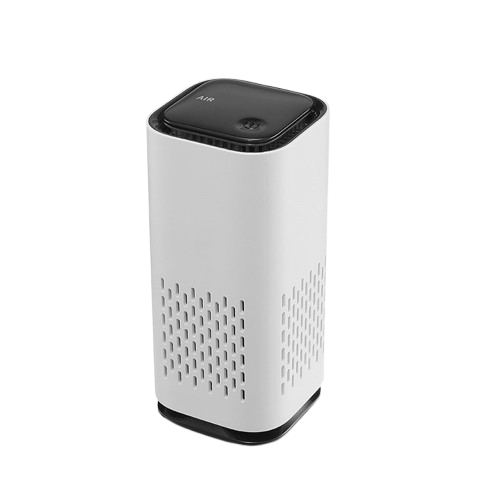
This guide covers the main sources of in-car dust, a practical cleaning routine to keep it under control, the role of your vehicle's cabin air filter, and how a compact purifier such as the PureCabin™ FreshDrive can support cleaner-feeling air between cleanings.
Where car dust actually comes from
Outside air and road conditions
Every time a window is opened or the ventilation system pulls in outside air, road dust, pollen, and fine particulate matter can enter the cabin. Dry, dusty regions and unpaved or gravel roads increase this load significantly compared to smoother, paved commutes.
Fabric and upholstery wear
Seat fabric, floor mats, and headliners shed small fibers over time, especially as they age or as they are exposed to sunlight and heat. This fiber shedding contributes to the fine dust that settles on hard surfaces like the dashboard and center console.
Shoes, cargo, and passengers
Footwear tracks in dirt and dust from outside, and cargo — from grocery bags to sports equipment — often carries its own dust and debris into the trunk or cargo area, which then migrates forward over time.
The HVAC system itself
Air conditioning and heating systems circulate cabin air repeatedly. A cabin air filter that is overdue for replacement is less effective at capturing fine particles, meaning more dust recirculates through the vents rather than being filtered out.
Where dust concentrates in a typical cabin
- Dashboard and instrument cluster surfaces, due to their flat, exposed area.
- Vent louvers and slats, where airflow deposits fine particles.
- Door pockets and cup holders, which trap settled dust in corners.
- Seat seams and carpet fibers, where dust mixes with hair and debris.
- Under seats and in seat tracks, often the most overlooked zone.
A practical dust-reduction routine
1. Dust hard surfaces with a microfiber cloth, not a dry rag
A slightly damp microfiber cloth picks up dust rather than just pushing it around or scattering it into the air, which is what a dry cloth or duster often does on a dashboard. Wipe the dashboard, door panels, and console weekly if you drive frequently.
2. Clean vents with a soft brush
A small soft-bristle brush — even a clean paintbrush — can reach between vent slats where a cloth cannot. Follow with a quick vacuum pass using a narrow attachment to catch loosened dust before it resettles elsewhere in the cabin.
3. Vacuum seats, mats, and carpet on a regular schedule
A weekly vacuum, or more often during dry or high-pollen seasons, removes dust before it becomes deeply embedded in fabric fibers. Pay particular attention to seams and the base of the seats, where dust and fine debris commonly settle.
4. Check and replace your cabin air filter on schedule
Most manufacturers recommend replacing the cabin air filter roughly every 12,000–15,000 miles, though this varies by vehicle and driving conditions. A clogged or overdue filter is one of the most common, and most overlooked, causes of persistent dust circulating through the vents. Check your owner's manual for the specific interval for your vehicle.
5. Use floor mats and shake them out regularly
Removable floor mats capture the bulk of dust and dirt tracked in by shoes. Shaking them out weekly, and washing or deep-cleaning them periodically, prevents that dust from working its way into the carpet underneath.
6. Keep windows closed in high-dust conditions when possible
On dusty roads or during high-wind days, keeping windows up and relying on the vehicle's filtered ventilation reduces how much outside dust enters directly. Balance this with the need for regular ventilation to avoid a stale cabin, as covered in our guide on cabin odor and ventilation habits.
Regional and seasonal dust factors
Where you drive has a significant effect on how much dust accumulates and how quickly. Drivers in dry, arid climates or areas with frequent construction and unpaved roads tend to see faster dust buildup on dashboards and vents than those in consistently humid or heavily paved urban environments. Agricultural areas, where seasonal field work kicks up fine soil particles, and desert regions with loose sand are two common examples of conditions that call for a tighter cleaning schedule than the general weekly routine described above.
Seasonal factors matter too. Spring pollen season adds fine particulate matter that settles on surfaces much like dust, and dry summer conditions in many regions increase windblown dust significantly compared to wetter months, when rain tends to settle airborne particles before they reach the road. Adjusting your cleaning frequency to match these seasonal peaks — rather than sticking to a fixed schedule year-round — helps keep dust under control without extra effort during lower-dust periods.
Dust and allergy-prone drivers
Drivers who are sensitive to dust, pollen, or other airborne particles often notice cabin dust buildup more acutely than others, since even a modest amount can trigger noticeable discomfort. For these drivers, a slightly more frequent cleaning schedule — vacuuming every few days rather than weekly during high-pollen seasons, for example — along with prompt cabin filter checks, tends to make a meaningful difference. It is worth noting that neither a cabin filter nor a portable purifier is a treatment for allergies or any medical condition; they support a cleaner cabin environment as part of a broader approach that should be discussed with a healthcare provider if allergies are a significant concern.
Materials and surfaces that hold onto dust the longest
Not all interior materials behave the same way when it comes to dust. Textured plastic trim, felt-lined door pockets, and cloth upholstery all tend to hold dust more persistently than smooth, hard surfaces like glossy trim or leather, which can simply be wiped clean. If your vehicle has a mix of these materials, it helps to treat textured and fabric surfaces as higher priority in your cleaning routine, since a quick wipe that works well on the dashboard will not be as effective on a felt door pocket or a cloth seat seam.
Cabin air filters and portable purifiers: different jobs
It is worth being clear about the difference between these two tools, since they are sometimes confused. A cabin air filter is built into the vehicle's HVAC system and filters air as it enters through the vents — it is the primary defense against incoming dust and particulates from outside air. A portable purifier like FreshDrive operates independently in the open cabin air using negative-ion technology and its own composite filter, supporting the air that is already inside the vehicle rather than filtering air as it enters through the HVAC system.
Neither tool replaces the other. A well-maintained cabin filter reduces how much dust enters in the first place, while a portable purifier supports the air already circulating inside between cleanings. Using both, alongside the manual cleaning steps above, is a more complete approach than relying on any single method.
Where FreshDrive fits into a dust-control routine
FreshDrive is a compact, USB-powered purifier using negative-ion technology, designed for enclosed spaces up to roughly 10m² (about 100 square feet). It runs below 36dB, quiet enough for daily driving, and uses one-touch control so it can be switched on at the start of a drive without any complicated setup. Placed securely in a cup holder or console tray with its air openings unobstructed, it can support the air quality between your regular cleaning and filter replacement schedule.
FreshDrive is available in four variants — White, Black, White Pro, and Black Pro — for $24.99 USD with free shipping. Full specifications are listed on our FAQ page, and our shipping policy covers delivery timelines.
Tools worth keeping in the car for dust control
A small, dedicated dust-control kit stored in the glovebox or trunk makes it far more likely that quick touch-ups actually happen. A travel-size microfiber cloth, a soft detailing brush for vents, and a compact handheld vacuum or a set of vacuum attachments that fit a standard car charger port cover most routine needs without requiring a trip to a full-service car wash every time. Keeping these tools in the vehicle itself, rather than at home, removes the friction of having to remember to bring them along.
For drivers without access to a garage vacuum, a portable USB or battery-powered handheld vacuum can be a worthwhile investment, since it allows a quick pass over seats and floor mats between full cleaning sessions without needing to visit a car wash with vacuum stations. This is particularly useful for anyone who drives daily in dusty conditions and cannot realistically get to a full-service cleaning every week.
Common mistakes that make dust worse, not better
Using a dry cloth or feather duster
Dry dusting tools often just redistribute fine particles into the air rather than capturing them, which means the dust settles back onto the same or nearby surfaces within minutes. A slightly damp microfiber cloth is far more effective at actually trapping dust rather than temporarily displacing it.
Skipping vent cleaning because it seems minor
Vents are often overlooked because they are less visually obvious than a dusty dashboard, but they are a direct pathway for recirculated air and can become a hidden reservoir of dust that continues to spread through the cabin every time the fan runs.
Delaying cabin filter replacement
Continuing to drive with a significantly overdue cabin filter means every fan cycle is working against you, pushing more dust through a filter that is no longer capturing particles effectively. This is one of the highest-impact, lowest-effort fixes available, yet it is commonly delayed simply because it is less visible than a dusty dashboard.
Vacuuming without changing attachments
Using a wide, flat attachment for tight seams and crevices leaves dust trapped in exactly the spots a vacuum is meant to reach. Switching to a narrow crevice tool for seams, tracks, and vent louvers meaningfully improves how much dust is actually removed compared to a single generic attachment used for everything.
A simple monthly dust checklist
- Wipe dashboard, console, and door panels with a damp microfiber cloth.
- Brush and vacuum vent louvers.
- Vacuum seats, seams, and carpet thoroughly.
- Shake out and wash floor mats.
- Check cabin air filter condition against your maintenance schedule.
- Run your portable purifier during regular driving.
- Inspect under seats and in seat tracks for missed debris.
Frequently asked questions
How often should I replace my cabin air filter?
Most manufacturers recommend every 12,000–15,000 miles, but always check your owner's manual, since intervals vary by vehicle and driving conditions such as dusty or unpaved roads.
Will a portable purifier reduce dust on my dashboard?
A purifier addresses airborne particles in the cabin air; it does not replace manually wiping dust off hard surfaces like the dashboard, which settles through normal physical accumulation.
Does closing windows fully prevent dust from entering?
No — some outside air still enters through the HVAC system even with windows closed, which is why a well-maintained cabin air filter remains important regardless of window use.
This article provides general cleaning and maintenance information. It does not provide medical advice, and a portable air purifier does not replace cabin air filter maintenance or regular cleaning. See more guides on our blog, review our refund policy, or contact us with any questions.
PureCabin FreshDrive
Fresher cabin air from $24.99
USB-powered · Quiet under 36dB · Free shipping · Secure Stripe checkout