Vehicle Maintenance
How Often to Replace Your Cabin Air Filter
Learn typical cabin air filter replacement intervals, warning signs of a clogged filter, and how a portable purifier complements regular maintenance.
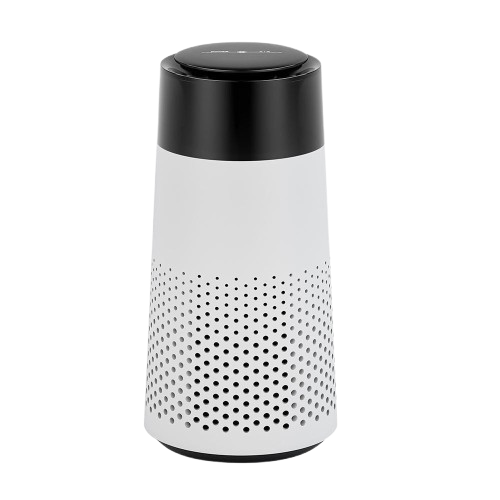
The cabin air filter is one of the most overlooked parts of routine vehicle maintenance. It is not visible on a dashboard warning light, it rarely gets mentioned at a quick oil change, and it can keep working in a degraded state for a long time before drivers notice anything wrong. Yet it plays a direct role in how fresh, clean, and dust-free your cabin air feels every time you turn on the fan.
This guide covers typical replacement intervals, the signs of a filter that needs attention, and how a portable device like the PureCabin™ FreshDrive air purifier can complement a properly maintained filter rather than replace it.
What does a cabin air filter actually do?
The cabin air filter sits in the ventilation path between outside air (or recirculated cabin air) and the vents that blow air into your car. As air passes through, the filter is designed to capture dust, pollen, leaves, and other airborne debris before it reaches the blower motor and cabin. Over time, that captured material builds up and the filter becomes less effective and more restrictive.
Unlike an engine air filter, which protects the engine, the cabin filter exists purely for occupant comfort and air quality inside the vehicle. A clogged cabin filter does not usually cause mechanical problems, but it can noticeably reduce airflow and let more unfiltered dust circulate through the cabin.
How often should you replace it?
Most vehicle manufacturers recommend replacing the cabin air filter somewhere between every 12,000 and 15,000 miles, or roughly once a year for average drivers, though this varies by make and model. The exact interval is listed in your owner's manual, and it is worth checking there first since some manufacturers recommend shorter or longer intervals depending on the filter type.
Driving conditions matter as much as mileage. If you frequently drive on dusty roads, in heavy traffic, or in areas with high pollen or construction activity, a filter can clog faster and may need replacement closer to every 10,000 miles. Drivers who mostly use highways in cleaner air conditions may be able to stretch toward the upper end of the recommended range.
General guidelines by driving condition
- Typical suburban/highway driving: around 12,000–15,000 miles or annually.
- Heavy city traffic or dusty roads: closer to every 8,000–10,000 miles.
- High pollen regions during allergy season:consider checking the filter more frequently, even if mileage intervals have not been reached.
- Rideshare or delivery driving: higher mileage often means shorter real-world replacement intervals.
Signs your cabin air filter needs attention
Reduced airflow from the vents
If air feels noticeably weaker from the vents even at higher fan settings, a clogged filter restricting airflow is a common cause. This is often one of the earliest and most noticeable symptoms.
Musty or stale odors when the fan turns on
A filter that has trapped moisture along with dust and debris can develop a musty smell that becomes noticeable specifically when the air conditioning or heater is running.
Increased dust on interior surfaces
If you notice more dust accumulating on the dashboard or vents than usual, unfiltered particles may be passing through a filter that is no longer trapping debris effectively.
Unusual fan noise
A heavily clogged filter can force the blower motor to work harder, which in some vehicles produces a slightly different fan noise at the same speed setting.
How to check your cabin air filter
The cabin air filter is usually located behind the glovebox or under the dashboard, and many vehicles allow for a straightforward do-it-yourself check without special tools. Your owner's manual will show the exact location and any clips or covers that need to be removed.
- Locate the filter housing according to your owner's manual.
- Remove the access panel or glovebox as instructed.
- Slide out the filter and inspect it against a light source.
- If it looks heavily discolored, visibly clogged with debris, or has a strong odor, it is likely time to replace it.
- Install the new filter in the correct airflow direction, following any arrows printed on the filter frame.
If you are not comfortable doing this yourself, most quick-service shops can inspect and replace a cabin air filter quickly and affordably as part of a routine visit.
Types of cabin air filters
Not all cabin air filters are built the same way, and knowing the general categories can help you choose a suitable replacement when the time comes.
Particulate filters
These are the most common and generally the most affordable type, designed primarily to capture dust, pollen, and other larger particles. They are a reasonable default choice for most everyday driving.
Carbon or activated-carbon filters
These include an added layer of activated carbon, which is designed to help with certain odors in addition to particulate filtration. They tend to cost a bit more than basic particulate filters but are popular with drivers who deal with traffic exhaust smells or live near industrial areas.
Manufacturer-specific filters
Some vehicles require a specific filter shape or size that only certain brands produce. Always check your owner's manual or the filter housing for the correct part number before purchasing a replacement, since an ill-fitting filter may not seal properly and could let unfiltered air bypass it.
What happens if you never replace the cabin air filter?
Ignoring the cabin air filter indefinitely will not damage your engine, but it can gradually reduce comfort and air quality inside the vehicle. Over months or years, a badly clogged filter can restrict airflow so much that the blower motor struggles to reach higher fan speeds, and trapped debris can become a source of musty odors that are difficult to fully resolve without a filter change. In some cases, a severely neglected filter can also put extra strain on the blower motor itself, since it has to work harder to push air through a restricted path.
Cost expectations for cabin air filter replacement
Replacement cabin air filters are generally inexpensive, and the exact price depends on your vehicle model and the filter type. A basic particulate filter purchased for a do-it-yourself replacement typically costs less than many other routine maintenance items. Having a shop replace it as part of a service visit usually adds a modest labor charge on top of the filter cost, since access varies by vehicle design. Given the relatively low cost, many drivers find it easier to stay ahead of the recommended schedule rather than waiting for symptoms to appear.
Cabin air filter vs. a portable air purifier
These two things solve different, complementary problems. The cabin air filter is a physical barrier built into your car's ventilation system, filtering air as it passes through the vents. A portable air purifier, like FreshDrive, is a separate accessory that sits inside the cabin and uses negative-ion technology and its own composite filter to support fresher air within the space itself.
A purifier does not filter air moving through your HVAC system, and it is not a substitute for replacing a worn-out cabin filter. Instead, it works alongside proper filter maintenance to support a fresher-feeling cabin between filter changes and during periods of heavier odor or dust exposure.
Cabin air filter myths worth clearing up
"If the AC still blows cold, the filter must be fine"
Cooling performance and filter condition are largely separate systems. A clogged cabin filter restricts airflow volume but does not necessarily prevent the AC compressor from cooling the air that does get through, so cold air alone is not a reliable sign that the filter is in good shape.
"Cabin filters and engine air filters are the same thing"
These are two different components with different jobs. The engine air filter protects the engine's intake system, while the cabin air filter protects the air that circulates inside the passenger compartment. They are typically located in different parts of the vehicle and are replaced on separate schedules.
"A more expensive filter always performs better"
Price can reflect added features like activated carbon, but the most important factor is choosing a filter that correctly fits your vehicle and matches the manufacturer's specification. An ill-fitting filter, regardless of price, may not seal properly in the housing.
Tracking your replacement schedule
Because cabin air filter changes are easy to forget, some drivers find it helpful to log the replacement date and mileage somewhere they will actually see it again, such as a maintenance app, a sticker on the filter housing, or a note alongside other service records. Pairing the cabin filter check with an oil change or tire rotation, which usually happens on a more consistent schedule, is also a practical way to avoid letting it slip for years at a time.
A simple maintenance routine that covers both
- Check your owner's manual for the recommended filter interval.
- Set a reminder based on mileage or driving conditions, whichever comes first.
- Inspect the filter visually if you notice reduced airflow or odor.
- Replace with a manufacturer-recommended filter type and size.
- Run a portable purifier like FreshDrive for day-to-day freshness between filter changes.
- Keep vents and cabin surfaces clean to reduce dust buildup overall.
Cabin filter care between full replacements
Even before a filter is due for full replacement, a few light maintenance steps can help it perform better in the meantime. Some filter designs can be gently tapped or brushed to dislodge loose surface debris, though this is not a substitute for replacement once a filter is genuinely worn out. Checking the filter housing for leaves, twigs, or other debris that may have collected around the intake can also help airflow, since blockages just outside the filter itself can mimic the symptoms of a clogged filter.
Why FreshDrive is a useful complement, not a replacement
FreshDrive is a USB-powered, portable purifier with negative-ion technology, a composite filter, touch control, and operation kept below 36dB, designed for cars, SUVs, trucks, and small indoor spaces up to roughly 10m². It is available in four variants—White, Black, White Pro, and Black Pro—each priced at $24.99 USD with free shipping.
It is intended to sit inside the cabin and support fresher air alongside your existing maintenance schedule, not to filter air moving through your car's HVAC system. For full specifications and variant details, visit our home page, and check common questions about power, noise, and maintenance on the FAQ page.
Frequently asked questions
Can I replace a cabin air filter myself?
In many vehicles, yes. The filter is often accessible behind the glovebox, and replacement typically does not require special tools. Always follow your owner's manual for the exact procedure and filter type for your model.
Does a dirty cabin filter affect air conditioning performance?
A clogged filter can restrict airflow, which may make the AC or heater feel weaker even if the system itself is working normally. Replacing the filter often restores expected airflow.
Will a portable purifier reduce how often I need to change the filter?
No. A portable purifier operates separately from your HVAC system and does not affect how quickly the cabin air filter accumulates debris. Filter replacement should follow your manufacturer's recommended schedule regardless of any additional devices in use.
For related maintenance and cabin-care topics, see our full guide library. If you have questions about ordering FreshDrive, delivery timing, or product specifications, reach out through our contact page or check the shipping policy before checkout.
This article provides general maintenance information and is not a substitute for your vehicle manufacturer's recommendations. Always refer to your owner's manual for the correct filter type, replacement interval, and installation instructions.
PureCabin FreshDrive
Fresher cabin air from $24.99
USB-powered · Quiet under 36dB · Free shipping · Secure Stripe checkout