Cabin Air Guide
Car Air Purifier for Pet Odors: What Actually Helps
Practical tips for dog hair, pet dander, and lingering smells in cars and SUVs, plus how a portable USB air purifier fits into a pet-owner cleaning routine.
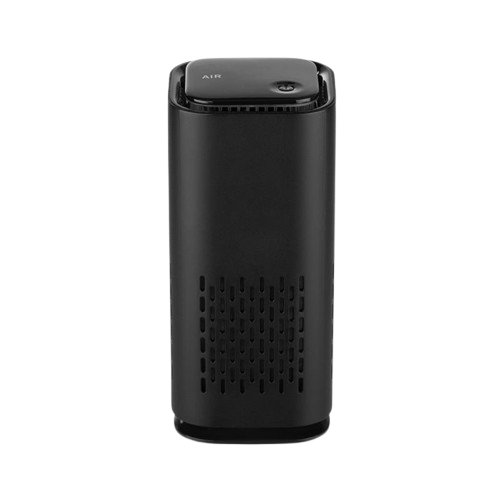
Anyone who regularly drives with a dog or cat knows the smell that can build up in a cabin: a mix of wet fur, dander, saliva, and the faint must of a favorite blanket that never quite dries out. Pet odors are different from smoke or food smells because they come from a living, shedding source that rides along on every trip. That means a single deep clean rarely solves the problem for good. Instead, pet-owning drivers need a repeatable routine, and a compact car air purifier can be a useful part of that routine.
This guide walks through why pet smells linger in vehicles, how to actually remove them rather than just mask them, and where a portable USB purifier such as the PureCabin™ FreshDrive can fit into daily life with a four-legged passenger. As with any cabin-air product, a purifier supports a fresher-smelling environment; it is not a medical device and does not replace cleaning, grooming, or veterinary care.
Why pet odors are harder to eliminate than most car smells
Dog and cat hair is not just visually annoying — it is a delivery system for dander, skin oils, and outdoor debris that gets pressed deep into carpet fibers and seat foam every time your pet settles in. Saliva from panting or grooming also transfers onto upholstery, and as it dries, it can leave a smell that reactivates with humidity or heat. Unlike a spilled drink that dries and is mostly gone, pet residue keeps accumulating trip after trip unless it is actively removed.
Heat makes this worse. A parked car in direct sun can reach temperatures well above the outside air, and that heat bakes existing residue into fabric and plastic, making smells more noticeable the next time you open the door. Moisture compounds the issue too — a wet dog after a walk in the rain, or drool on a fabric seat, both add dampness that can lead to a musty smell if the cabin does not dry out completely.
The role of trapped hair
Loose hair does more than look messy. It traps dander and skin flakes against upholstery, holding odor-causing particles close to the surface long after your pet has left the vehicle. Regular vacuuming with a pet-specific attachment removes both the visible hair and a meaningful share of the trapped dander underneath it, which is why vacuuming is consistently the single most effective step in any pet-odor routine.
A cleaning-first approach to pet smell in cars
Before reaching for any purifier or air freshener, it helps to treat the vehicle the way you would treat a room with a pet-odor problem: remove the source material first, then manage what remains in the air. Skipping straight to fragrance or filtration without cleaning tends to produce a temporary cover-up rather than a lasting improvement.
1. Vacuum thoroughly and often
Use a vacuum with a motorized pet-hair attachment on seats, carpets, seat seams, and the cargo area. Go over problem zones — like the seat your dog favors — more than once, from different angles, since hair often sits at an angle against the fabric grain. Do this weekly if your pet rides frequently, and always after muddy or wet outings.
2. Treat upholstery, not just the surface
A fabric-safe enzymatic cleaner can break down the organic compounds in dander and saliva rather than simply masking them with fragrance. Test any product on a hidden patch of upholstery first, follow the label instructions, and allow full drying time before closing the vehicle, since trapped moisture can create new musty smells of its own.
3. Wash removable liners and covers
Seat covers, cargo liners, and pet hammocks should be washed on a regular schedule according to their care labels. These washable layers absorb the bulk of dander and residue, and keeping them clean reduces how much odor-causing material ever reaches the seat foam or carpet underneath.
4. Let the cabin dry and ventilate
After a wet-weather trip, crack the windows in a safe, shaded spot or run the fan on a fresh-air setting rather than recirculation to help moisture escape. A damp cabin left closed overnight is one of the most common causes of a musty smell that seems to appear out of nowhere.
5. Check under seats and in crevices
Kibble crumbs, chew treats, and stray hair collect in seat tracks and under seats where they are easy to forget. A narrow crevice vacuum attachment or a soft brush can reach these spots, and doing this monthly prevents small forgotten messes from becoming a persistent odor source.
Where a portable air purifier fits in
Once the cleaning routine above is in place, a compact car air purifier becomes a useful supporting layer rather than a stand-in for it. FreshDrive uses negative-ion technology together with a composite filter to help address airborne particles and odors in the enclosed cabin between cleanings. It will not remove hair from seats or wash a blanket, but it can support fresher-feeling air on the drive itself, particularly on the ride home right after a park visit or a grooming trip.
For pet owners, three practical features matter most: portability so it can move between a car and a crate area at home, USB power so there is no separate battery to manage, and quiet operation so it does not add stress for an anxious pet already unsettled by car travel. FreshDrive runs below 36dB, which keeps it well under the noise level of most vehicle fans and road noise, and it plugs into a standard USB port or power bank.
Placement tips for pet owners
- Keep the purifier in a cup holder or console tray away from claws, chew toys, and paws.
- Avoid placing it where a pet carrier or hammock could block the air intake or outlet.
- Wipe the housing with a slightly damp cloth periodically, since pet hair tends to settle on any nearby surface.
- Turn the unit on before loading your pet, so you are not fumbling with controls once you are driving.
Grooming habits that reduce shedding in the car
The less loose hair and dander your pet carries into the vehicle, the less work your cleaning routine and purifier have to do. A quick brush-out before car trips, especially during seasonal shedding, keeps loose fur on a brush instead of your seats. Paw wipes after walks reduce the amount of outdoor dirt and moisture tracked onto floor mats. For pets prone to drooling or motion sickness, a washable travel mat or seat protector gives you one more removable layer that absorbs residue before it reaches the upholstery underneath.
Regular bathing on a vet-recommended schedule also helps, since a clean coat sheds less odor-causing material than one that has accumulated oils and outdoor debris. None of these steps are about achieving a perfectly scent-free cabin — they are about reducing the baseline amount of residue that builds up between cleanings, which makes every other step in your routine more effective.
A simple weekly routine for pet owners
- Vacuum seats, carpets, and cargo area with a pet-hair attachment.
- Spot-treat any noticeable stains with a fabric-safe enzymatic cleaner.
- Wash seat covers, liners, or hammocks according to their care labels.
- Wipe down hard surfaces, including the dashboard and door panels.
- Ventilate the cabin briefly before closing it up for the day.
- Run your car air purifier on the commute, with the intake and outlet unobstructed.
- Check under seats and in seat tracks for stray hair or crumbs.
Seasonal shedding and how it changes your routine
Most dogs and many cats go through at least one heavier shedding season each year, typically in spring and fall, when a thicker undercoat is replaced. During these weeks, the volume of loose hair entering the car can increase noticeably compared to the rest of the year, and a routine that felt sufficient in summer may need to tighten up. Increasing vacuum frequency from weekly to every few days during peak shedding, and brushing your pet more often before car trips, can prevent a seasonal spike in hair and dander from turning into a lingering smell that outlasts the season itself.
Cold-weather months bring a different challenge: wet paws and damp fur tracked in from rain or snow, combined with windows that stay closed far more often for warmth. That combination of moisture and low ventilation is a common recipe for musty odors in winter. Keeping an absorbent towel in the car to dry off a wet pet before they settle onto seats, and running the fan on a fresh-air setting for a few minutes after a wet trip, both help offset the reduced ventilation that colder weather tends to bring.
Vehicle type considerations for pet owners
The type of vehicle you drive affects which parts of a pet-odor routine matter most. In a sedan, pets are usually confined to the back seat, which concentrates hair and dander into a smaller area that is easier to clean thoroughly but also easier to overload if cleaning is delayed. SUVs and hatchbacks with a dedicated cargo area for a dog crate or hammock shift more of the odor source toward the rear of the vehicle, which is why cargo-area liners and rear-vent placement for a purifier are worth considering separately from front-seat cleaning.
Trucks with rear seating or extended cabs face similar challenges to SUVs, while convertibles and vehicles with frequent open-window use may see less trapped odor buildup simply because of more consistent natural ventilation, though this trades off against more outdoor dust and pollen entering the cabin. Whatever your vehicle type, the core routine of vacuuming, spot-treating, and ventilating stays the same — only the specific zones you prioritize shift.
Recognizing when a smell needs more than routine cleaning
Most pet-related car odors respond well to the steps outlined above. Occasionally, though, a smell persists despite regular cleaning, which usually points to a source that has not yet been fully addressed — a soaked patch of carpet underlayment, a spill that seeped beneath a seat, or pet accident residue that reached the foam beneath the fabric. In these cases, a deeper extraction clean, sometimes requiring professional detailing equipment, may be necessary to fully resolve the smell at its source. No purifier, however well designed, can substitute for removing residue that has soaked into padding below the visible surface.
What FreshDrive can and cannot do
It is worth being direct about expectations. FreshDrive is a compact, USB-powered negative-ion purifier designed to support a fresher cabin environment in enclosed spaces up to roughly 10m² (about 100 square feet). It is not a substitute for vacuuming, washing upholstery, or veterinary care, and it does not make any medical or allergy-cure claims. Treat it as one tool among several — cleaning removes the source, ventilation moves air through the cabin, and the purifier supports the air that remains between those steps.
FreshDrive is available in four variants — White, Black, White Pro, and Black Pro — for $24.99 USD with free shipping. It features one-touch control, operation below 36dB, and roughly 50m³/h of air volume. Full specifications and common questions are covered on our FAQ page, and shipping timelines are detailed on our shipping policy page.
Frequently asked questions
Does a car air purifier remove pet hair?
No. A purifier addresses airborne particles and odors in the cabin air; it cannot remove hair embedded in fabric or carpet. Vacuuming remains the primary tool for physically removing pet hair from a vehicle.
How often should I clean a car that carries pets regularly?
A weekly vacuum and wipe-down is a reasonable baseline for a car used for regular pet trips, with a deeper clean of upholstery and liners every few weeks or after especially muddy or wet outings.
Can I run FreshDrive with a pet in the car?
FreshDrive is designed to run quietly during normal use, but always secure the unit, keep cables away from paws, and follow the included instructions for safe placement.
This article provides general cleaning and product information. It does not provide medical or veterinary advice, and a portable air purifier does not replace regular cleaning, grooming, or addressing the source of pet-related odors. For more cabin-care guides, visit our blog, or contact us with questions. You can also review our refund policy before checkout.
PureCabin FreshDrive
Fresher cabin air from $24.99
USB-powered · Quiet under 36dB · Free shipping · Secure Stripe checkout