Allergy Season
Car Air Purifier for Allergies: A Practical Guide
A practical guide to supporting fresher cabin air during allergy season with cleaning habits, filter maintenance, and a portable USB car air purifier.
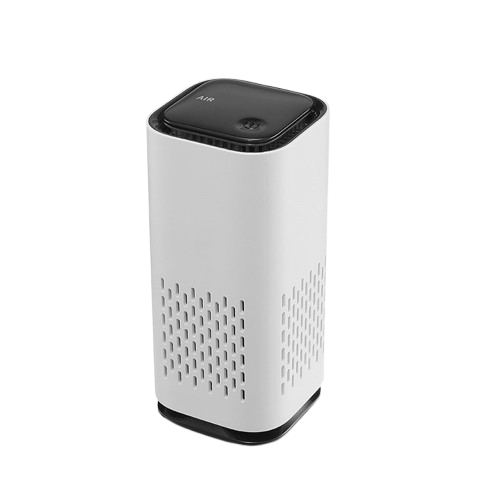
If your eyes feel itchy the moment you sit down behind the wheel, or you reach for a tissue before you even leave the driveway, your car cabin may be part of the problem. Vehicles are small, mostly sealed spaces, and whatever dust, pollen, or pet hair rides in on your clothes, shoes, or open windows tends to stay put until it is cleaned out. During allergy season, that buildup can make an already uncomfortable stretch of the year feel even longer.
This guide is not medical advice, and nothing here is intended to diagnose, treat, or cure allergies or any other condition. Instead, it is a practical look at how cabin air tends to behave, which habits help keep it fresher, and how a compact, portable air purifier like the PureCabin™ FreshDrivecan fit into a broader routine alongside your vehicle's own filtration system.
Why does a car cabin feel worse during allergy season?
A parked car sits outside, often for hours, collecting whatever is in the air around it. Pollen can settle on the exterior and work its way in through door seams, open windows, or the fresh-air intake near the windshield. Once inside, it settles into carpet fibers, seat fabric, and air vents, where normal driving can stir it back into the air you breathe.
Unlike a house or office, a car cabin has a small volume of air and limited airflow when the windows are up. That combination means allergens and dust can feel more concentrated, especially on long commutes or road trips where the same air recirculates for extended periods. Add in kids, pets, and cargo brought in from outside, and it is easy to see why a cabin can feel stuffier during spring and fall pollen peaks.
Common allergy triggers that build up in a vehicle
Pollen
Tree, grass, and weed pollen are seasonal but persistent. On high pollen days, simply opening a door lets some in, and it can cling to clothing and hair before settling into upholstery. Parking under trees or near open fields tends to increase the amount that accumulates on the exterior and, eventually, indoors.
Dust and dander
Road dust enters through vents and open windows, while pet dander can build up quickly if you regularly drive with animals. Both tend to settle into carpets, floor mats, and seat seams, where they are stirred up again every time someone gets in or out.
Mold and moisture
Damp floor mats, spilled drinks, or a cabin air filter that has not been changed in a while can create a musty smell and a more humid environment inside the car. Moisture is one of the more overlooked contributors to poor cabin air, and it is worth checking for regularly, especially after wet weather.
Building a cabin routine that supports fresher air
There is no single product that replaces good habits. A sensible allergy-season routine usually combines a few simple, repeatable steps rather than relying on one tool to do everything.
Clean surfaces and fabric regularly
Vacuum seats, carpets, and floor mats at least weekly during heavy pollen periods. Wipe down the dashboard, door panels, and steering wheel with a material-safe cleaner, since dust tends to settle on hard surfaces and get redistributed by the air conditioning system.
Be thoughtful about recirculation settings
Many vehicles let you choose between fresh outside air and recirculated cabin air. On high pollen count days, recirculation can help limit how much new pollen enters the cabin while driving. However, running recirculation constantly can also make stale air feel more noticeable, so it helps to ventilate briefly in lower-pollen conditions, such as after rain.
Mind your parking spot and timing
Where possible, park away from blooming trees or fresh-cut grass during peak pollen periods. Checking a local pollen forecast before planning errands can also help you decide whether to keep windows up for the whole trip.
What a portable air purifier can (and cannot) do
A portable car air purifier is designed to support a fresher-feeling cabin environment, not to replace your vehicle's cabin air filter, air conditioning system, or any allergy treatment recommended by a healthcare provider. Devices like FreshDrive use negative-ion technology and a composite filter to help address everyday cabin air concerns such as staleness, odors, and dust, but they are not marketed or intended as medical devices.
Think of a purifier as one layer in a broader routine: cleaning, filter maintenance, sensible ventilation habits, and a compact device that runs quietly in the background. Setting realistic expectations helps you get more practical, everyday value out of the product.
What to look for in a car air purifier for allergy season
Compact, secure placement
Look for a purifier that fits in a cup holder, console tray, or another stable spot without blocking the shifter, vents, or your view of the road. A slim design that will not slide around during normal driving is easier to live with day to day.
Convenient USB power
A USB-powered unit can plug into a car's USB port, a power bank, or a wall adapter, which means you are not tied to a specific outlet or battery. FreshDrive ships with a USB cable so it can move between the car, a desk, or a nightstand without extra accessories.
Quiet operation
Since you may want a purifier running for an entire commute, noise matters. FreshDrive operates below 36dB, which is designed to stay in the background during calls, podcasts, or conversation rather than adding a distracting hum.
Straightforward controls
A single touch-control button is easier to use before you start driving, and it reduces the temptation to fiddle with settings while the car is in motion. Always adjust any device while parked.
How allergy season varies across the year
Allergy triggers do not stay constant from January to December, and the cabin-care habits that help most can shift with the calendar. Understanding the general pattern can help you plan ahead rather than reacting only once symptoms are already bothering you on a drive.
Spring tree pollen
In many regions, tree pollen counts rise sharply in early spring. This is often the period when a car left outside overnight picks up the most visible dusting of pollen on the exterior, which can easily transfer indoors on clothing and shoes. Wiping down door handles and window edges during this stretch can reduce how much pollen gets carried inside.
Summer grass pollen and dust
As spring turns to summer, grass pollen tends to take over as a leading trigger for many people, and dust from dry roads and construction can add to the mix. Warmer weather also means more windows-down driving for some, which can let additional pollen and dust into the cabin if you are not deliberate about recirculation.
Fall ragweed and leaf debris
Ragweed is a common late-summer and fall trigger in much of the country, and falling leaves can also introduce mold spores as they decompose on the ground near where you park. Checking floor mats and cargo areas for stray leaf debris during this season is a simple but often skipped step.
Winter indoor triggers
With windows closed for months at a time, winter cabin air tends to be shaped more by dust, pet dander, and whatever accumulates from daily use than by outdoor pollen. Because ventilation is more limited in cold weather, this is a season where a portable purifier and a clean cabin filter can be especially useful for supporting fresher air.
Common mistakes that make allergy season worse
A few habits can unintentionally work against your efforts to keep cabin air fresher during allergy season. Recognizing them is often the easiest way to improve your routine without adding new products or spending more time.
- Leaving damp mats in the car. Wet floor mats left in a closed cabin can encourage mold growth, which adds another allergen source on top of pollen and dust.
- Skipping the trunk and cargo area. Sports equipment, reusable bags, and outdoor gear stored in the trunk can carry pollen and dust that eventually spreads to the rest of the cabin.
- Running the AC on the same setting year-round. Sticking to recirculation in every season, even when outdoor conditions are mild, can make the cabin feel stagnant without actually reducing allergen exposure much further.
- Forgetting the cabin air filter for years. A badly clogged filter restricts airflow and may reduce the benefit of otherwise good cleaning habits.
Cabin air and rideshare or carpool driving
Drivers who regularly carry passengers, whether for rideshare, carpool, or family pickups, face an added challenge: it is not only your own habits that shape cabin air, but also what passengers bring in. Frequent door opening at pickup and drop-off increases outdoor air exchange, which can be useful for ventilation but also invites more pollen and dust on high-count days. In these situations, a quick nightly wipe-down of touch points and a consistent cleaning schedule tend to matter more than they would for a single-driver commuter vehicle.
A weekly allergy-season cabin checklist
- Vacuum seats, carpets, and floor mats.
- Wipe dashboard, vents, and door panels with a safe cleaner.
- Check floor mats and seams for dampness after rain.
- Review your local pollen forecast before long errands.
- Use recirculation mode on high pollen days and ventilate briefly on lower pollen days.
- Run a portable purifier with vents unobstructed and the unit placed securely.
- Check your owner's manual for the recommended cabin air filter replacement interval.
Is PureCabin FreshDrive a good fit for allergy season?
FreshDrive is a compact, USB-powered purifier built around negative-ion technology, a composite filter, and touch control, with operation kept below 36dB and coverage suited to small spaces up to roughly 10m² or 100 square feet. It is available in four variants—White, Black, White Pro, and Black Pro—each priced at $24.99 USD with free shipping.
It is designed for drivers who want a simple, portable option to add to their existing cabin-care routine rather than a stand-alone solution. Before ordering, take a look at the full product details on our home page, review common questions on the FAQ page, and check delivery timelines on our shipping policy page.
Frequently asked questions
Can a car air purifier stop allergy symptoms?
No portable air purifier is intended to prevent, treat, or cure allergies. If you experience ongoing allergy symptoms, it is best to speak with a healthcare provider about appropriate treatment options. A purifier is intended only to support a fresher-feeling cabin environment as part of a broader cleaning and maintenance routine.
How often should I clean my car during allergy season?
Many drivers find weekly vacuuming and surface wiping helpful during high-pollen months, with more frequent attention to floor mats and seat fabric where dust tends to settle.
Does recirculation mode help with pollen?
Recirculation can reduce how much new outside air—and the pollen it carries—enters the cabin while driving, though it should be balanced with occasional fresh-air ventilation to avoid stale air buildup.
Looking for more cabin-care ideas? Visit our full guide library for additional articles on odors, dust, and seasonal driving tips, or reach out through our contact page if you have product questions before you order.
This article is for general informational purposes only and does not constitute medical advice. FreshDrive is a portable air purifier intended to support cabin air freshness; it does not diagnose, treat, cure, or prevent allergies or any other medical condition, and it does not replace your vehicle's cabin air filter or professional medical guidance.
PureCabin FreshDrive
Fresher cabin air from $24.99
USB-powered · Quiet under 36dB · Free shipping · Secure Stripe checkout